
Vermeer net wrap: Is it good?
Is Vermeer net wrap good? Learn its features and benefits to determine if it is worth investing in. Also, discover the top three alternatives from XES bale nets.
Preface
Do you sell hay and care about bale quality, efficiency, and profits? If yes, your bale net choice matters so much. Vermeer is among the most trusted, familiar net wrap brands used in the hay business, especially by farms running Vermeer balers. But is the net wrap strong and consistent enough? And most importantly, is it worth the money when your margins are tight? Let’s find out.
What is Vermeer net wrap?
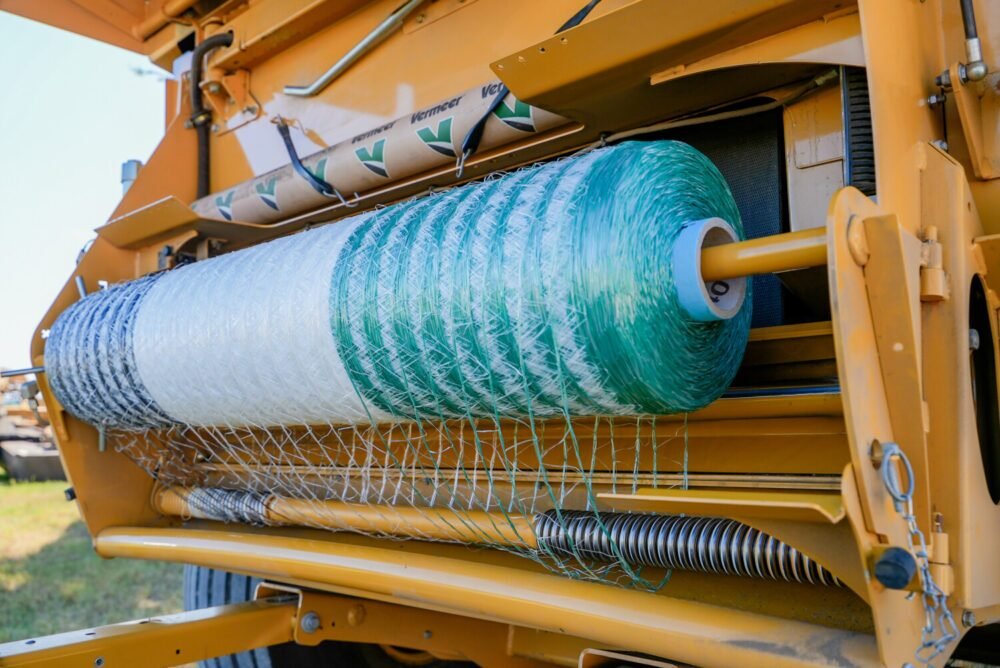
Vermeer net wrap is a bale wrapping net made for round balers, primarily Vermeer models. The rolls are produced in fixed widths, usually between 1.23 m and 1.25 m. Their roll length varies by product and market, but most fall between 2,000 m and 3,600 m per roll. The bale net prices also vary depending on location, dealer, and season. You can use Vermeer bale net wraps for dry hay, silage, and straw.
Key features of the Vermeer net wrap
The Vermeer net wrap is easy to use and offers consistency. It has the following features that aim to reduce bale handling errors and protect its shape during transport and storage.
- Heavy-duty HDPE construction for reliable strength
Vermeer net wrap is made of high-density polyethylene, a strong material that helps resist tearing during wrapping and handling. It has fewer snap failures during normal baling conditions, and its strength supports tight bale formation. These help maintain density during stacking and hauling.
- Controlled stretch for cleaner bale shape
The net wrap can be stretched a little to help bales keep sharp edges. Square shoulders matter when bales are stacked on trucks or in yards. Also, less sag means fewer rejected bale loads and a cleaner presentation for hay buyers.
- Even coverage across the full bale face
The net spreads evenly across the bale face and reduces exposed edges. Full coverage means zero or lower hay loss during hauling. This helps to protect the labor used to grow the forage.
- User-friendly packaging with built-in handholds
The Vermeer net wrap packaging includes handgrips for easier loading. This matters most during peak season when operation speed and safety are crucial. They help to prevent fumbling, save time, and reduce strain.
Benefits of Vermeer net wrap
In real-world use, Vermeer net wrap offers several practical advantages. If you prioritize baler machines and net compatibility, these will surely appeal to you.
- Little stretch with optimum net spread: A small, controlled stretch gives you just the right amount of wrap spread. The bale stays tight, the wrap covers the full width without constant tweaking, and you end up with fewer loose tails. Overall, loads look more consistent from one bale to the next.
- Wrap wet and dry hay: Vermeer net wrap can be used on both wet silage and dry hay using the recommended wrap count. This allows hay sellers to handle mixed harvest conditions without switching the net type.
- Efficient stacking and hauling: Vermeer nets form a uniform bale shape. This improves stacking stability when loading on trailers and reduces shifting during transport. Also, trucks load faster, storage yards stay neater, and you reduce labor time and handling losses.
- Fewer turns means more savings: Since the net spreads evenly and holds strong, you can use fewer wraps on each bale. That means less net used per bale, though how much you save still depends on the roll size and price.
- Nine different net sizes: Vermeer offers a wide range of bale net wrap sizes. Each matches different baler models and bale dimensions. For 4-foot balers, common options include 48 in × 5,000 ft (121.9 cm × 1,524 m), 48 in × 9,840 ft (121.9 cm × 3,000 m), 51 in × 5,000 ft (129.5 cm × 1,524 m), and 51 in × 9,840 ft (129.5 cm × 3,000 m). For 5-foot balers, available sizes include 53 in × 9,840 ft (134.6 cm × 3,000 m), 64 in × 7,000 ft (162.6 cm × 2,133 m), 64 in × 8,800 ft (162.6 cm × 2,682 m), 67 in × 7,000 ft (170.1 cm × 2,133 m), and 67 in × 8,000 ft (170.1 cm × 2,438 m).
Is Vermeer net wrap worth the investment?
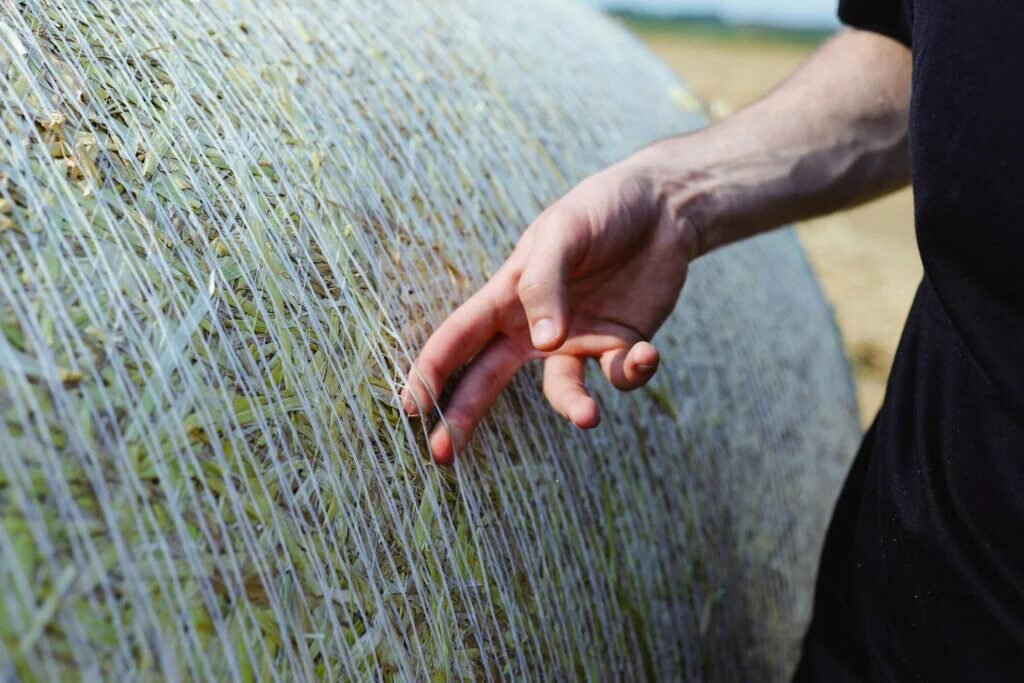
If you’re running a Vermeer baler, Vermeer net wrap is a safe bet. It works well, stays consistent, and plays nice with the machine. Just keep in mind the value depends on your budget, your bale count, and how much room you want to experiment.
Pros
- Feeding the net wrap on Vermeer balers is smooth and effortless. This reduces setup adjustments and minimizes interruptions during baling.
- Bales hold their shape during hauling and storage. That way, they stack better and look cleaner if you are selling or storing them long term.
- The chances of failure when used to wrap dry hay and silage are low, especially if you use the recommended wrap counts.
- Dealer support is generally available and reliable. Farmers who are already tied into the Vermeer equipment network get quality services even in peak season.
- Vermeer nets have a practical packaging design. It has handgrips that helps reduce handling errors. They also make roll changes quicker and safer during busy baling days.
Cons
- Roll length may feel insufficient. If you are baling hard the entire day, you may be required to change your rolls more often than you planned. This leads to additional downtime.
- The options to customize roll width, length, or strength aren’t many. This can be limiting when baling in large quantities or when dealing with specific baling needs.
- The net wrap is made specifically for Vermeer baler machines. If you own baler equipment from other brands, Vermeer nets may not work as you would like.
When to consider a Vermeer net wrap alternative?
Although Vermeer net wrap works well and many hay sellers use it, not all operations share the same priorities. There are times when you may want to consider other options. For example:
- When you make bales in large volumes each season and want to cut bale costs. A cheaper net roll helps to protect margins, especially when you factor in labor, fuel, and input.
- When you have to make bales of different sizes, specific crop, or moisture conditions. You need bale net wraps with customizable widths, roll lengths, and strength levels.
- When you sell or distribute net wraps and want to align them with your own product line or customer base. Opt for nets that allow you to add personalized labels, brand the packaging, or specify specifications.
- When you prefer a steady, reliable supply of high-quality net wraps without relying on one dealer.
- When your baling requires netwraps with stronger mesh structures to handle extra load stress. For examples, if you regularly wrap heavy, dense, or high-moisture hay.
3 Best alternatives for Vermeer net wrap
If you are looking for a more flexible and cost-effective option, XES® bale nets are designed specifically to meet the needs of modern hay farmers and distributors. XES is a factory-direct manufacturer with over 20 years of experience in agricultural bale net production.
Compared to OEM-branded net wrap, XES offers greater customization and adjustable specifications. It also provides low MOQs, private labeling, free samples, and negotiable lead times. Moreover, width, length, gram weight, and mesh strength can all be tailored to your exact requirements.
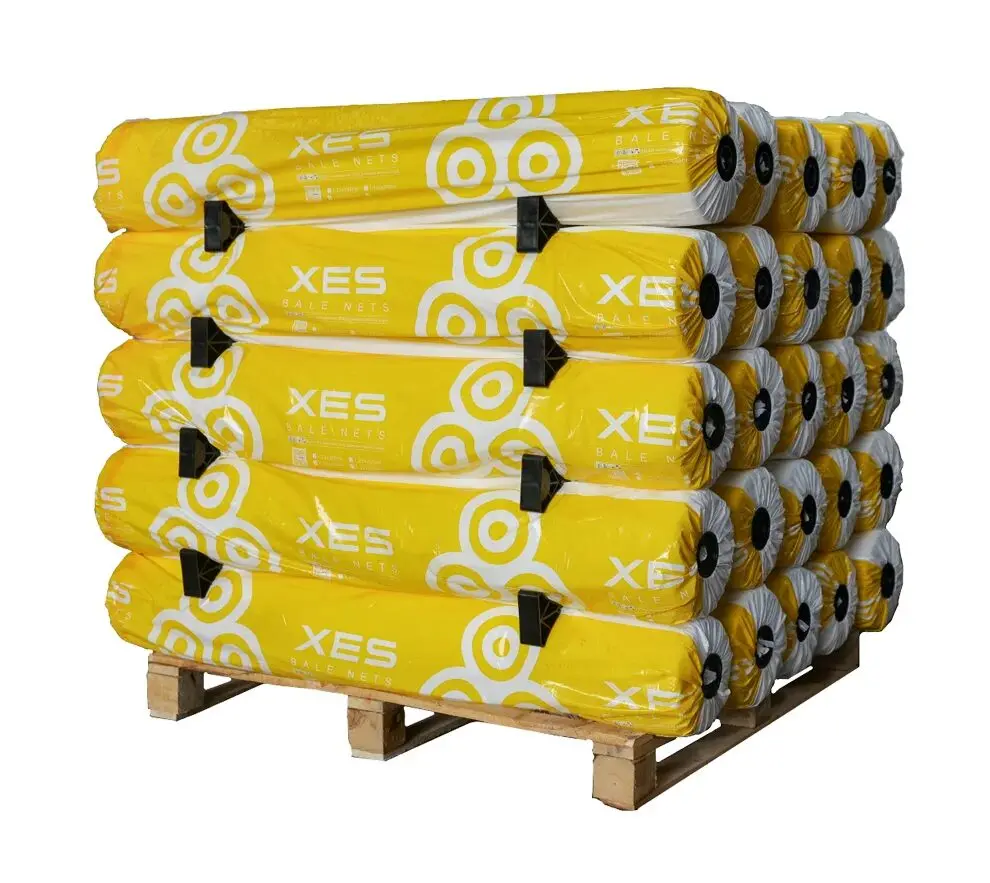
1. XES® Classic Bale Net Wrap
XES® Classic Bale Net Wrap is an entry-level solution built for reliability and everyday baling needs. It is designed for farmers who want dependable performance without paying a premium for net wrap features they do not need. The net is made from eco-friendly HDPE, which works well for regular hay and straw wrapping. It also maintains cost efficiency.
Key features:
- Reinforced chain-knit structure: The XES Classic design consists of strong knitted chain threads to handle load stress. During wrapping, it keeps bale edges tight. This prevents wastage of net wrap material usually caused by uneven tension or early tearing.
- Eco-friendly HDPE material: The XES bale net is manufactured from high-density polyethylene. This balances strength and flexibility while lowering environmental impact compared to conventional agricultural plastics.
- Guaranteed roll length: Each roll includes extra net length to ensure full coverage, helping hay sellers plan bale output accurately without unexpected roll shortages.
- Universal baler compatibility: The net is designed to run smoothly on all major round baler brands. This reduces setup issues and eliminates the need for baler machine-specific net adjustments.
- Clear side and end markings: High-visibility side markers and red end-of-roll indicators improve wrapping accuracy. They also prevent missed wraps during long baling sessions.
Common uses: Hay, straw, and silage.
2. XES® Extreme Bale Net Wrap
XES® Extreme Bale Net Wrap is a premium, field-proven product developed for tougher conditions and heavier materials. It features a reinforced knitted chain structure and is DLG certified. This makes it a trusted choice for professional operators focused on efficiency and durability.
Key features
- High-strength chain-knit construction: Reinforced knitted chain structure delivers superior tensile strength. This allows secure bale formation with fewer net wraps while maintaining shape during transport and storage.
- DLG-certified performance: Independently tested and certified by the German Agricultural Society. This confirms reliable strength, durability, and consistency under demanding agricultural conditions.
- Optimized wrap efficiency: Recommended wrap count of 2.25 to 2.5 turns reduces net consumption per bale while maintaining strong edge coverage and bale stability.
- Precision winding and edge control: Even winding and precise edges ensure smooth feeding through balers. It minimizes downtime and prevents tearing caused by uneven roll tension.
- Enhanced visual control markers: Clear side markings and extended red end-of-roll signals are crucial. They help operators maintain consistent coverage and avoid sudden net runouts in the field.
Common uses: Silage, hay, straw, strong straw, maize, sugar beet pulp, and heavy agricultural materials.
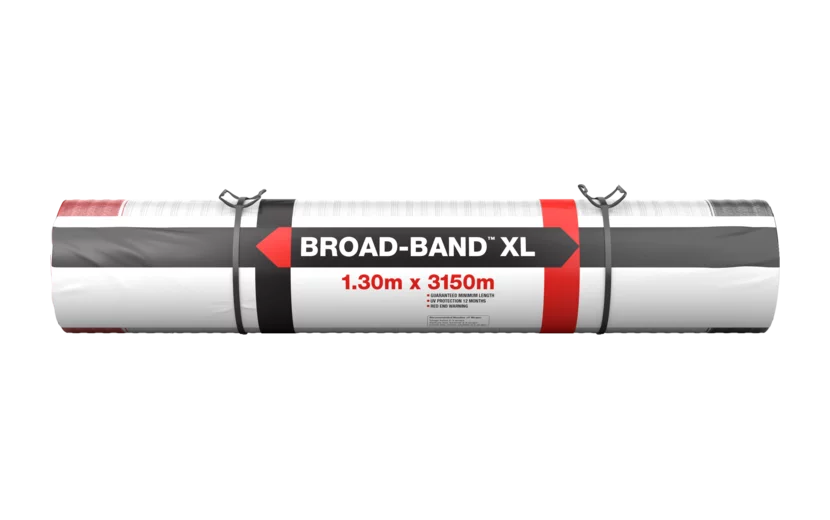
3. XES® Supreme Bale Net Wrap
XES® Supreme Bale Net Wrap represents the most advanced option in the XES lineup. It uses patented warp-inserted, non-woven technology. This design delivers exceptional tear resistance, higher surface friction, and improved sun resistance. Roll lengths reach up to 5,000 meters at the same weight and diameter. This significantly reduces roll changes during baling.
Key features
- Patented warp-inserted technology: Non-woven structure connects warp and weft threads efficiently. This distributes load evenly across the net wrap, increasing resistance to tearing under heavy pressure.
- Extended roll length efficiency: Delivers up to 5,000 meters per roll at the same weight and diameter. This reduces roll changes and downtime during high-volume baling operations.
- High tear resistance: Tensile strength approaching 300 kg supports demanding crops like corn. It also helps maintain a stable bale shape during long-distance transport and outdoor storage.
- Improved sun exposure resistance: Smooth, flat surface increases net durability under sunlight. This lowers degradation risk during seasonal outdoor storage in harsh field conditions.
- Machine-safe smooth surface: Reduced friction inside balers minimizes internal wear. It also lowers the chances of net wrap damage during high-speed or continuous baling cycles.
Common uses: Silage, hay, straw, strong straw, corn, sugar beet pulp, and sticks.
How to choose the right net wrap for your hay business
The right net wrap depends on how hay moves through your operation. Volume, storage time, and resale standards matter. These choices protect margins and reduce complaints from buyers down the line. To get it right, consider these tips:
- Match net width to bale face width so edges stay covered without overlap waste.
- Check roll length against the daily bale count to reduce roll changes during peak hours.
- Choose a higher tensile strength for wet silage and dense crops to avoid extra wraps.
- Look at UV resistance if bales sit outdoors longer than one season.
- Factor in packaging and end-of-roll markings to reduce downtime and missed wraps.
- Consider private labeling if hay sells under a cooperative or regional brand.
- Test samples before bulk orders to confirm compatibility with all balers on site.
FAQ
- How many wraps should I put on my bales?
Most hay bales need two and a quarter to three full wraps to stay tight and sell while in a perfect shape. Wet silage and dense crops need closer to three. Heavy straw and coarse material often need four. Strong nets reduce the need for extra turns. XES® Extreme holds shape with fewer wraps. This helps keep bale integrity strong during storage and transport.
- How do I know if the Vermeer bale net will fit my baler?
Match the net width and roll diameter to your baler manual first. Vermeer nets usually fit 4-ft and 5-ft balers with net systems, but mixed fleets create issues. Sellers running different baler brands often switch to XES® nets because widths and lengths stay flexible. You can also run XES bale nets smoothly across major machines without constant adjustments.
- Should I use bale net wrap when baling both wet and dry hay?
Yes, netwrap works for both wet and dry hay and improves resale quality. Wet hay needs stronger tension control to avoid sagging. Dry hay needs clean edges for stacking. XES® Extreme and XES® Supreme handle both conditions well. They give hay sellers a consistent bale shape across changing field moisture.
- How much is Vermeer net wrap?
Vermeer net wrap usually costs between $255 and $300 per roll. The prices depend on size and dealer, and could rise during peak season. Many hay sellers lower per-bale cost by switching part of their volume to XES nets. For example, the XES Extreme bale net wrap prices range from $200 to $240. Try it to enjoy factory-direct pricing.
- When is the best time to buy Vermeer Net?
Fall remains the best buying window due to dealer pre-season programs and discounts. Waiting until harvest often limits supply and raises cost. If your dealer is out of stock, a good Vermeer net wrap alternative is XES Bale nets. You can secure them earlier in the year to lock pricing, adjust specifications, and avoid last-minute shortages during peak baling season.
