

Hay bale vs straw bale: a complete comparison guide
Learn the differences between hay bale vs straw bale. Understand their uses, weights, and storage needs. Also, discover XES net wraps to protect every bale in transit and storage.
Preface
Have you ever had a buyer call back because the “hay” they purchased turned out to be straw, or vice versa? It is an expensive mix-up. Wrong product, wrong price, and unhappy customers. It can happen to any farm crew. A small mistake that cost time, fuel, and profit. But is it avoidable? Yes. This comprehensive comparison of both bales side by side will clear up the confusion and show you how to wrap and store them for maximum returns.
What is a hay bale?
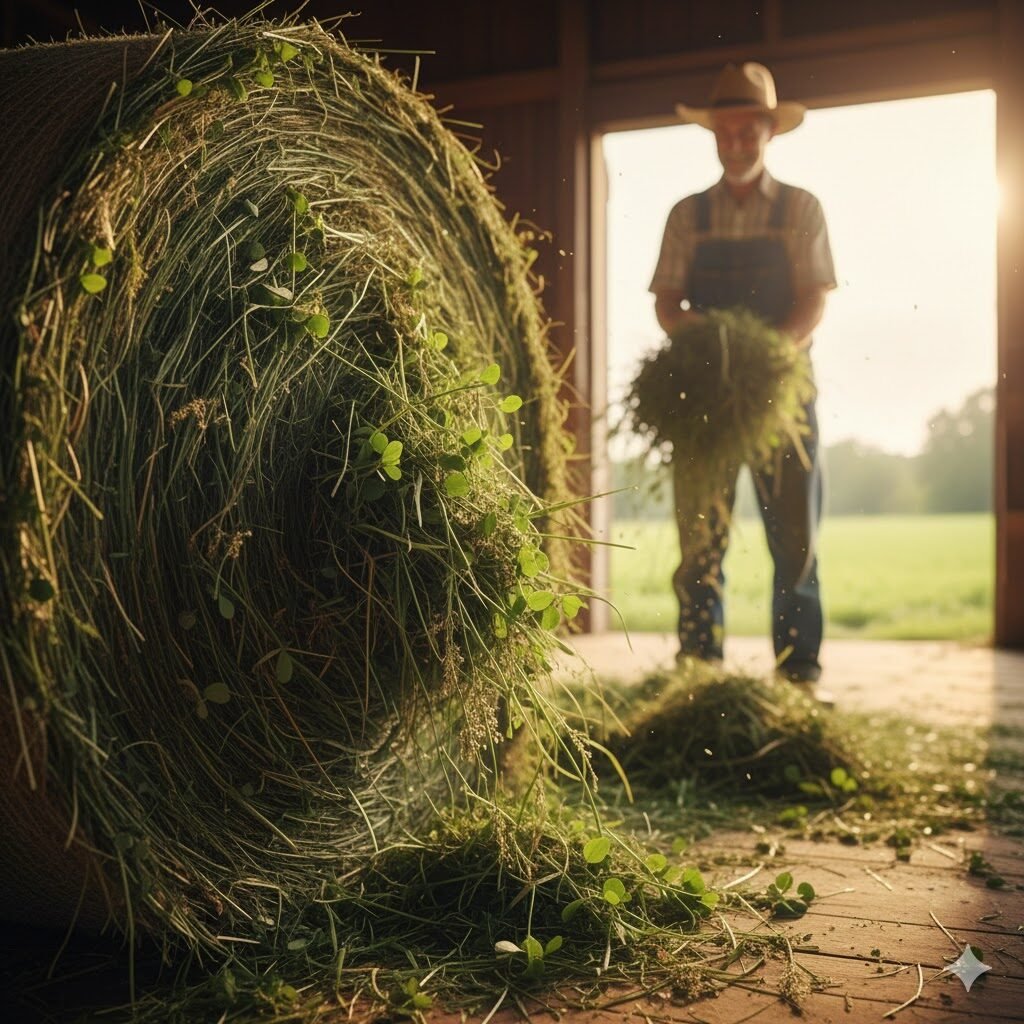
A hay bale is tightly compressed forage made from crops like alfalfa, clover, ryegrass, oaten hay, and other leafy plants. Hay has high nutritional value, must be baled at controlled moisture levels, and is fed to livestock year-round. It comes in multiple formats: 2-string, 3-string, round, and square bales. They are used across all farm sizes, from small horse yards to commercial dairy operations.
What is a straw bale?
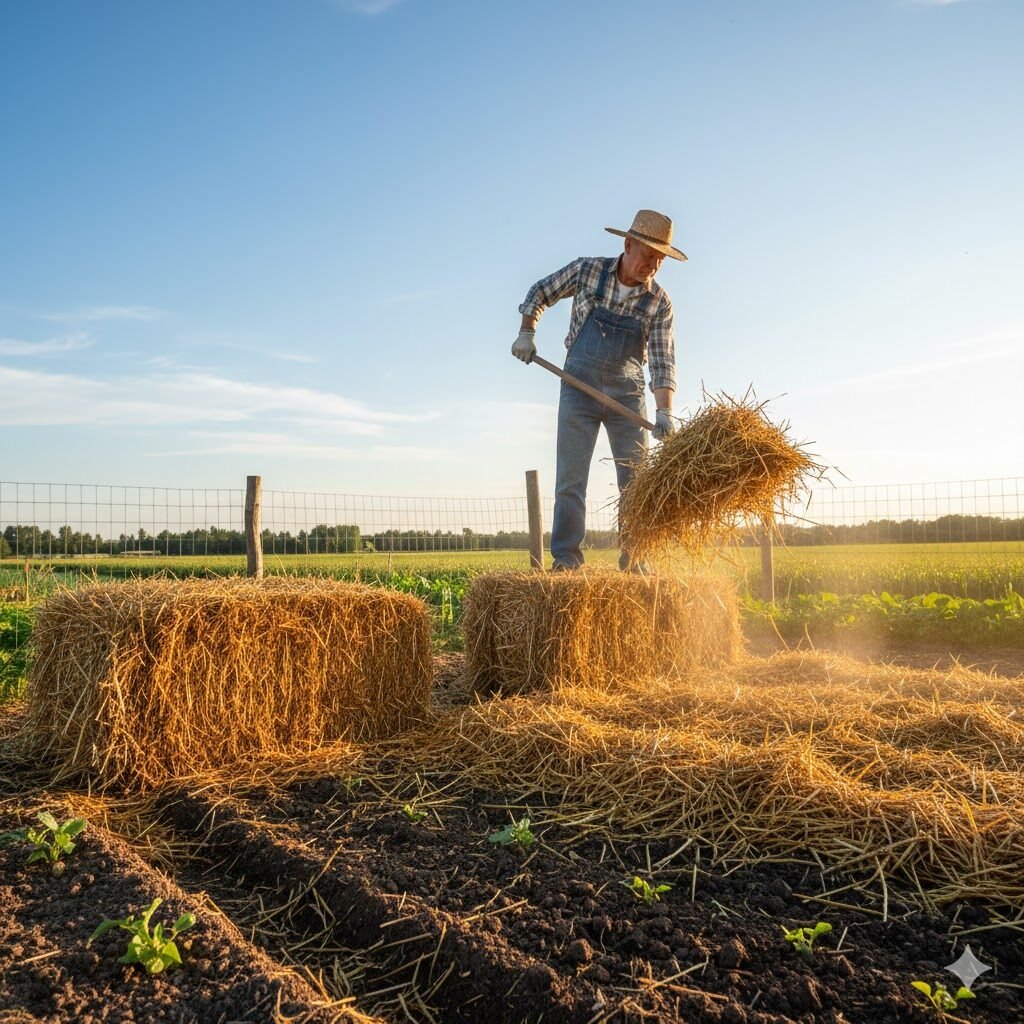
A straw bale is made from the hollow stems left after harvesting wheat, barley, oats, rye, or other grains. It has very low feed value for livestock but excellent absorbency. Farmers use straw for bedding, garden mulch, composting, erosion control, and building. Straw is also available in small and large squares and round bales, making it easy to handle and transport in bulk.
What are the key differences between hay bale vs straw bale?
Hay and straw serve different jobs. Their structure, weight, and wrapping needs also differ. Here is a clear side-by-side comparison:
| Category | Hay bale | Straw bale |
| Purpose/uses | Livestock feed for dairy, beef, sheep, and horses | Bedding, mulch, erosion control, building, etc. |
| Nutritional value | High protein, energy, minerals | Very low nutrients, mostly fibre |
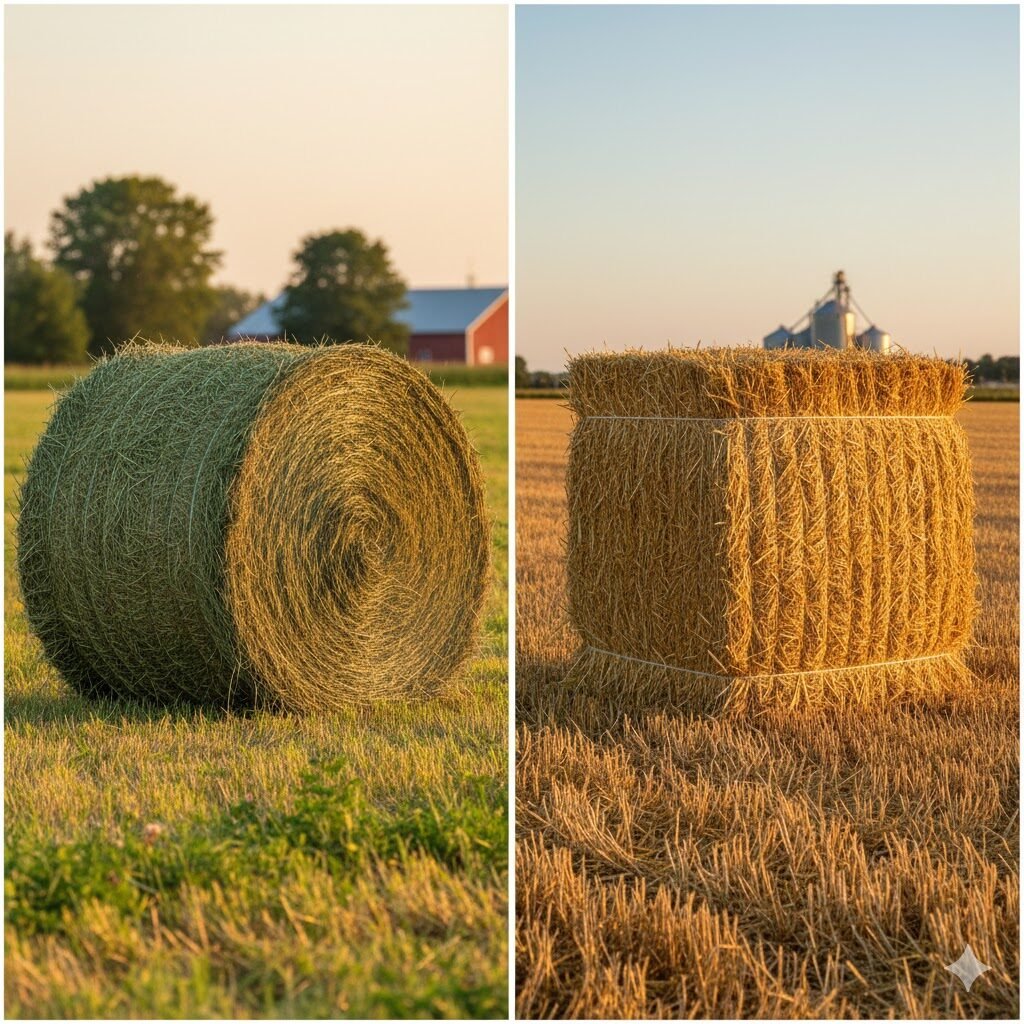
| Color and appearance | Green to golden; leafy | Bright yellow; hollow stalks |
| Moisture sensitivity | Very sensitive; spoils quickly | Lower risk; more tolerant |
| Bale types | 2-string, 3-string, rounds, large squares | Same formats but lighter and less dense |
| Bale sizes | Usually denser and more compact | Often larger volume but lighter |
| Bale weight | Heavier for the same size | Lighter for the same size |
| Cost per bale | Higher due to animal feed value | Lower because it is a by-product, leftover stems |
How much does a hay bale weigh vs a straw bale?
Hay and straw bale weights shift widely due to moisture, crop type, bale density, baler tension, and how tightly the bale is compressed. Wetter hay weighs significantly more, while loosely packed straw weighs noticeably less. Even identical balers can create a 10-20% weight difference depending on settings and field conditions. Below are reliable weight ranges farmers can use for better planning and pricing:
2-string bales: Hay 18-32 kg, straw 12-22 kg
2-string hay bales weigh more because they contain dense leaves and higher natural moisture. Straw versions are lighter due to hollow stems and lower density, making them the preferred choice for hand stacking, transport efficiency, and everyday bedding needs.
3-string bales: Hay 32-55 kg, straw 25-40 kg
3-string hay bales carry higher mass thanks to leaf content and tighter compaction. Straw 3-strings remain lighter but offer a larger volume, ideal for stables, landscapers, and sellers who need bulk without excessive manual handling.
Round bales: Hay 250-450 kg, straw 180-350 kg
Round hay bales weigh more across all formats because forage packs densely when rolled. Straw rounds stay lighter but still provide excellent bulk loads. These sizes are suitable for mechanical handling, long transport routes, and large-scale operations.
Large square bales: Hay 350-650+ kg, straw 275-550+ kg
Large square hay bales reach higher weights due to dense, nutrition-packed forage. Straw equivalents remain lighter but maintain a strong structural shape, popular among exporters, big dairy farms, and contractors who need predictable stacking and consistent truck loading.
How to store hay and straw bales for maximum profits
Good hay and straw storage protects your bale quality, keeps nutrients inside and shape intact, reduces shrinkage, and saves money. However, due to varying weather and climates around the globe, storage conditions differ by region. So, strategies also need to change:
Europe
- Higher humidity means good ventilation is essential. Proper airflow prevents heat buildup and reduces mold risk, especially in hay, which is extremely moisture-sensitive.
- Always store hay under cover to avoid mold. Even light rain can penetrate and create hotspots, so barns, sheds, and covered stacks are safest.
- Straw can be stored outdoors if net-wrapped, but cover is still safer. Straw tolerates weather better but still degrades faster in constant moisture.
- Cold winters demand tighter wrapping and dry stacking surfaces. Frozen ground and condensation can cause moisture wicking from below, making protection critical.
Australia
- UV exposure is extreme, so use UV-stabilized net wrap. Sunlight breaks cheap plastic wrap quickly, causing loose bales and chaff loss.
- Keep bales off bare soil to avoid moisture wicking. Soil humidity travels upward, especially after rainfall, damaging the outer layers.
- Ventilate sheds to manage heat and condensation. Hot air trapped in metal sheds can overheat bales and increase spoilage.
- Rainfall varies by region, so elevate stacks on gravel or pallets. This prevents long-term water contact and keeps bales dry even in heavy rain.
How hay and straw should be wrapped: Packaging differences for optimal protection
Since hay and straw have different properties and varying storage needs, the wrapping required may also differ. Hay is more delicate than straw because it contains leaves that break easily, so it needs a strong wrap. It also carries more moisture risk and spoils faster, making protection essential during storage and hauling.
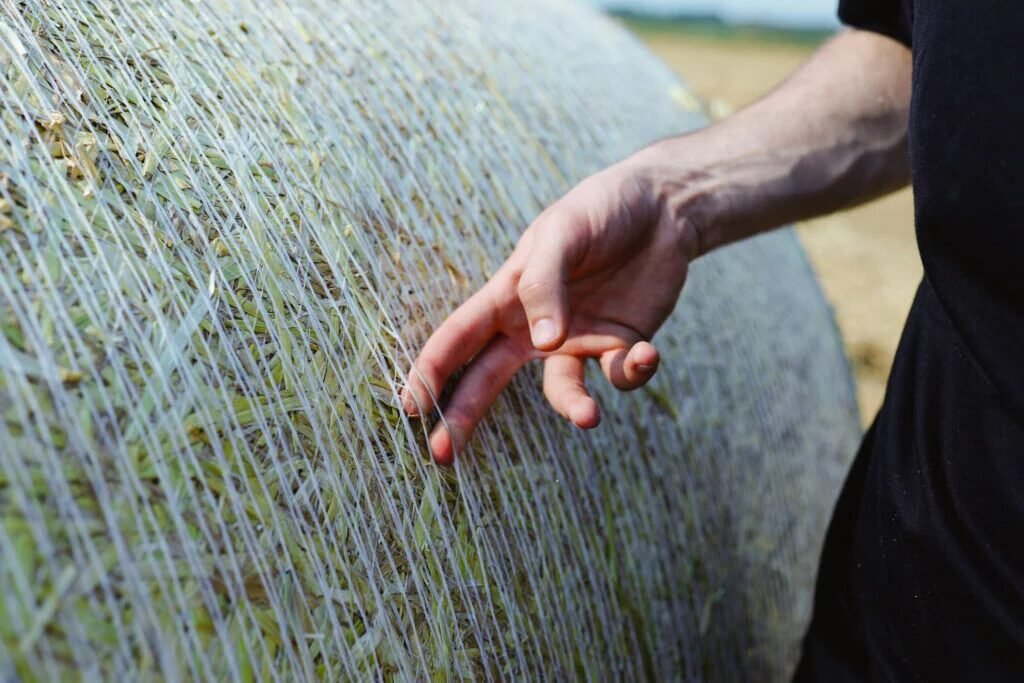
Dry hay can be wrapped with net wrap alone for clean compression and safe transport. Wet hay or silage must be covered with a solid wrap of plastic film to create fermentation conditions. In some cases, farmers use both net wrap and plastic film for added security.
On the other hand, straw is more forgiving. It has low nutrient loss, minimal leaf shatter, and lower moisture sensitivity. Many producers use twine, string, wire, or rope because straw doesn’t require fermentation or airtight protection. Net wrap is still useful, especially for stacking, transport strength, or when selling straw commercially.
What is the best way to wrap hay and straw bales
If you want faster baling, cleaner compression, and consistent shape across every load, XES Bale Nets delivers the reliability farmers need. Our high-quality net wraps create strong edge-to-edge hold, reduce breakage, and offer powerful UV protection for long storage. They help hay keep its leaf content and prevent straw from shrinking or losing form, whether you bale for local farms or international buyers. The following are our bale net wraps:
XES® Classic Bale Net Wrap – Best for standard conditions
This XES® Classic Bale Net Wrap offers dependable performance for everyday baling. It provides clean edges, smooth feeding, and uniform compression for hay and straw. Producers choose it for its reliability, predictable roll length, and consistent output on standard-density bales.
Key features
- Reliable edge coverage – Maintains tight bale formation by covering the entire width, reducing material loss, and helping bales keep their shape during loading, stacking, and transit.
- Smooth roll release – Minimizes friction inside the baler, allowing smoother feeding and consistent wrapping cycles. This helps operators maintain steady baling speeds even during long harvest days.
- Good UV stability – Withstands moderate sunlight exposure to protect bales stored outdoors for short to medium periods, preventing the wrap from weakening or breaking down prematurely.
- Consistent roll length – Ensures every roll delivers its stated meterage, reducing unexpected downtime and helping farmers plan wrapping cycles more accurately.
- Versatile performance – Works efficiently on most standard balers and handles a wide range of crops, from soft straw to firmer hay, without causing snags or uneven wrapping.
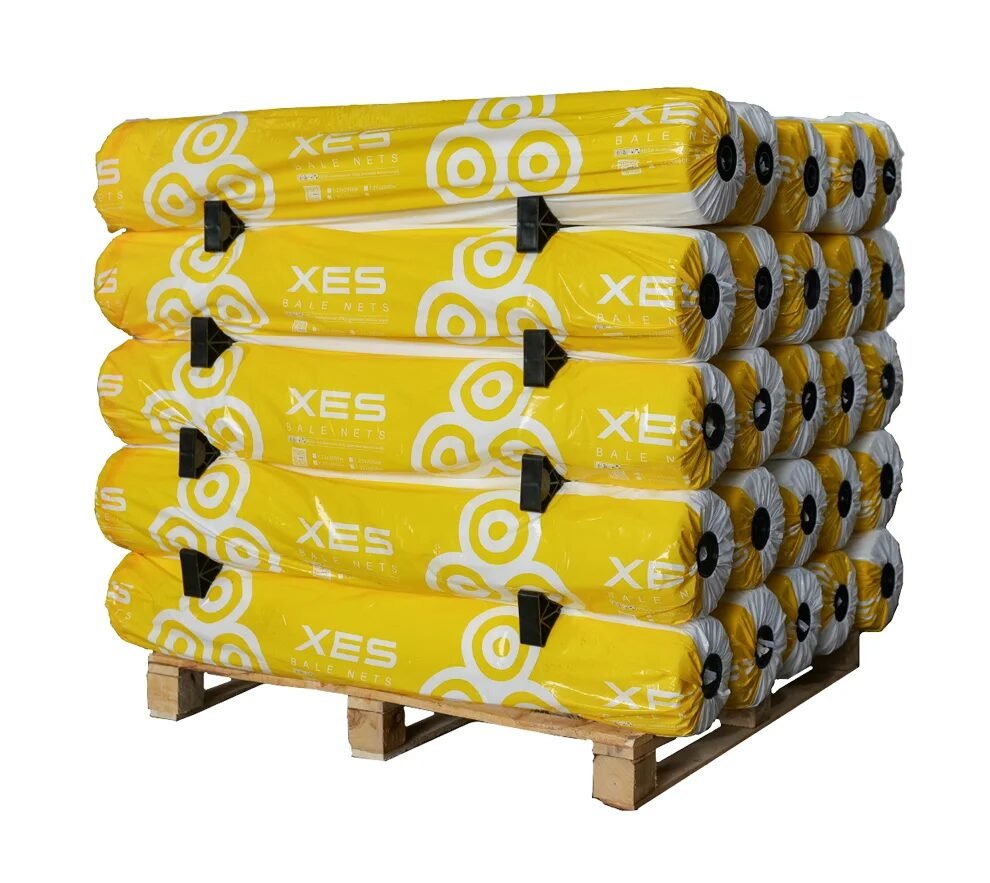
XES® Extreme Bale Net Wrap – Best for harsh weather and high-density Bales
This XES® Extreme Bale Net Wrap is built for demanding conditions. It performs reliably on aggressive balers, supports heavy crops, and maintains edge-to-edge strength even under intense sunlight or long outdoor storage. Producers choose it for high-density bales, tough handling, and long-distance hauling.
Key features
- High tensile strength – Holds dense bales firmly by resisting expansion and maintaining uniform shape, even when material pressure and baler tension are high.
- Maximum UV protection – Uses an enhanced UV-stable formula that withstands extended outdoor exposure, preventing premature degradation and keeping the bale structure intact.
- Fast netting cycles – It reduces the number of revolutions needed and speeds up baling, helping operators move through heavy workloads during peak harvest.
- Superior tear resistance – Built to handle sharp stalks, uneven windrows, and fast baler pickup without ripping, ensuring every bale is wrapped securely the first time.
- Edge-to-edge coverage – Stabilizes bale sides and reduces wear by fully covering the material surface, improving the consistency of bale shape and stacking performance.
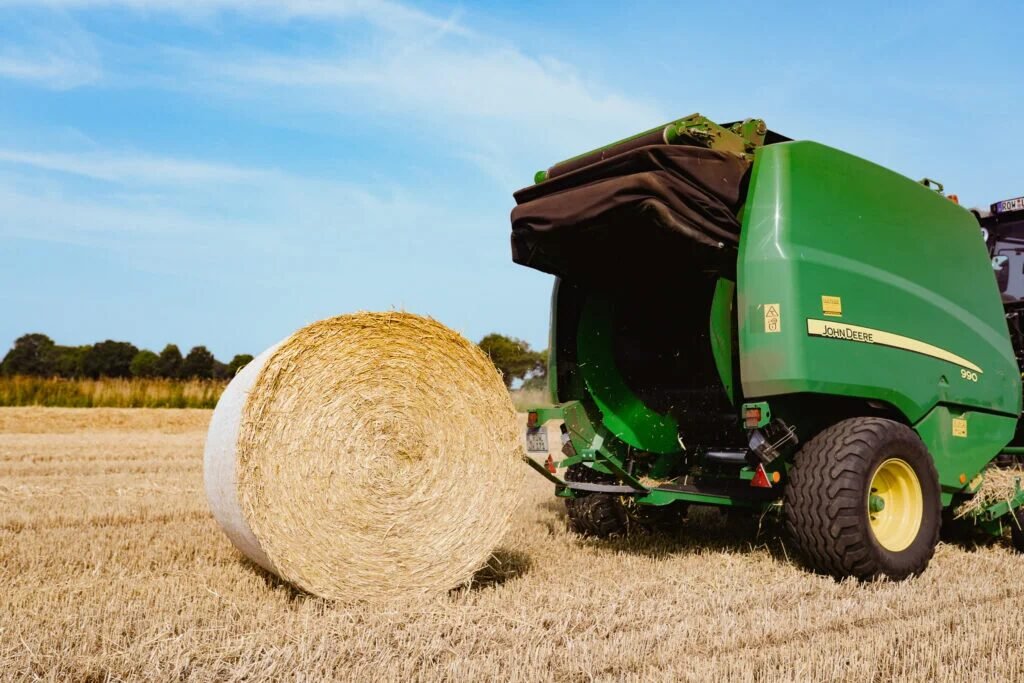
XES® Supreme Bale Net Wrap – Best for premium and export-grade bales
This is the top-tier solution for sellers who expect maximum durability, compression, and bale uniformity. XES® Supreme Bale Net Wrap delivers exceptional hold, minimal chaff loss, and high resistance to harsh weather. It is ideal for export hay, commercial dairies, and all high-value bales that must arrive in perfect condition.
Key features
- Ultra-high density support – Keeps heavy and tightly packed bales solid, preventing bulging or distortion during stacking and long-term storage.
- Advanced UV formulation – Designed with long-lasting UV inhibitors to protect bales exposed to strong, continuous sunlight without weakening or splitting.
- Reduced wrap count – Achieves secure bale compression with fewer revolutions, lowering material use and improving baling efficiency during busy harvests.
- Extreme tear resistance – Handles aggressive crops, sharp stems, and variable windrows without failures, protecting bale integrity even in harsh field conditions.
- Precision edge sealing – Creates sharp, consistent edges that improve stack stability and reduce chaff loss during loading, hauling, and customer delivery.
FAQ
- What is the main difference between hay and straw?
The main difference is that hay is livestock feed, while straw is a by-product used for bedding and mulch. Hay contains nutrients and leaves. Straw is hollow stems with low feed value. If you want to protect hay or straw during hauling and storage, use quality net wraps. Choose XES Bale Net Wrap for strong, reliable net wraps that keep your bales intact for a long time.
- What type of bale wrap is best for hay?
Net wrap is the best choice for hay because it protects leaves, reduces moisture risks, and creates denser bales. It shortens baling cycles, improves stacking, and can also be used together with silage film. For premium-quality net wraps, visit XES Bale Net. All our bale wrap solutions are designed for consistent compression and long-distance transport.
- Can straw be wrapped in net wrap?
Yes, straw can be wrapped in net wrap, but it isn’t always necessary. Straw is less sensitive to moisture and leaf loss. Farmers use net wrap mainly for stacking and transport. If you want net wraps you can count on, XES Classic Wrap is a cost-effective option for straw.
- How can you tell hay from straw visually?
Differentiating hay from straw is easy. Hay is greenish and leafy. Straw is bright yellow and hollow dry stems. Hay feels softer and heavier, while straw is light and crisp. If you are a hay or straw seller, wrapping your bales with XES nets maintains shape and reduces chaff loss.
- How long do hay and straw bales last in storage?
Hay can last 1 to 3 years if kept dry and well ventilated. Straw can last even longer because, in most cases, it resists spoilage. To ensure an extended lifespan, we recommended choosing top-quality bale wraps. You won’t go wrong with XES net wraps. They extend shelf-life and protect your hay and straw from excess UV and unwanted moisture.
- Which is more expensive: hay or straw?
Hay is more expensive because it is made from the entire plant, which gives it nutritional value, and its production cost is high. Straw, on the contrary, is cheaper as it is a by-product, usually made from the leftover stems of the grain plant. If you deal with either hay or straw, proper net wrapping is key. XES bale nets will effectively wrap bales, maintaining quality and price.
- How do you store hay to prevent mold?
To prevent mold buildup in storage, keep your hay bales dry, well ventilated, and off the ground. Manage humidity and avoid stacking too high. Also, you can use strong wrapping, like XES Extreme, which helps keep moisture out during transport and storage.
- How do you store straw to prevent it from rotting?
To prevent straw from rotting, the best storage practice is to keep it off the ground, under cover when possible, and to avoid prolonged water contact. Straw tolerates moisture but still degrades when soaked for extended periods. To ensure maximum protection, you should always wrap your straw bales. One of the best bale net wraps is the XES Classic. It offers enough protection in mild climates.
- Can straw be used as feed in emergencies?
Yes, straw can be used as livestock feed in emergencies, but it has very low nutritional value. It may require supplements to avoid digestive issues. If you are a straw seller, you can always give superior protection with XES bale net wraps. Wrapping bales keeps straw clean. In such sudden situations, wrapped straw will come in handy.
- Which bale is heavier: hay or straw?
Hay is heavier because it has dense leaves and higher moisture at baling. Straw is just hollow grain stems and lighter. If you are hauling or storing both products, choose XES bale net wrap solutions to ensure consistent bale density.
- Can you mix hay and straw in the same barn?
Yes, you can store them together if ventilation is good and moisture is controlled. Keep hay drier than straw. To ensure both products are stored under optimal conditions, use XES bale net wrap to maintain bale stability in mixed storage setups.
Conclusion
Hay and straw may look similar, but their value, weight, and storage needs are very different. With the right wrapping and handling, you protect your product, reduce waste, and increase profits. XES Bale Net Wrap gives EU and Australian farmers reliable compression, fewer wraps, and stronger UV protection. Choose the wrap that matches your climate and bale density, and keep every load consistent, clean, and ready for market.