
How much is a bale of hay? Everything you need to know
Meta description: How much is a bale of hay? Learn prices, costs, and selling tips to maximize profit. Also, discover the best hay bale net wrap for proper storage.
Preface
For farmers and cooperatives, hay is more than feed. It is security for livestock, profit for the farm, and peace of mind during the harsh months. Yet, hay prices tend to spike in late winter and spring, catching many sellers and buyers off guard. It is crucial to understand how much a bale of hay costs, market drivers, and storage solutions. This helps sellers stay profitable while keeping customers supplied year-round. Let’s dive in for more.
How much is a bale of hay?
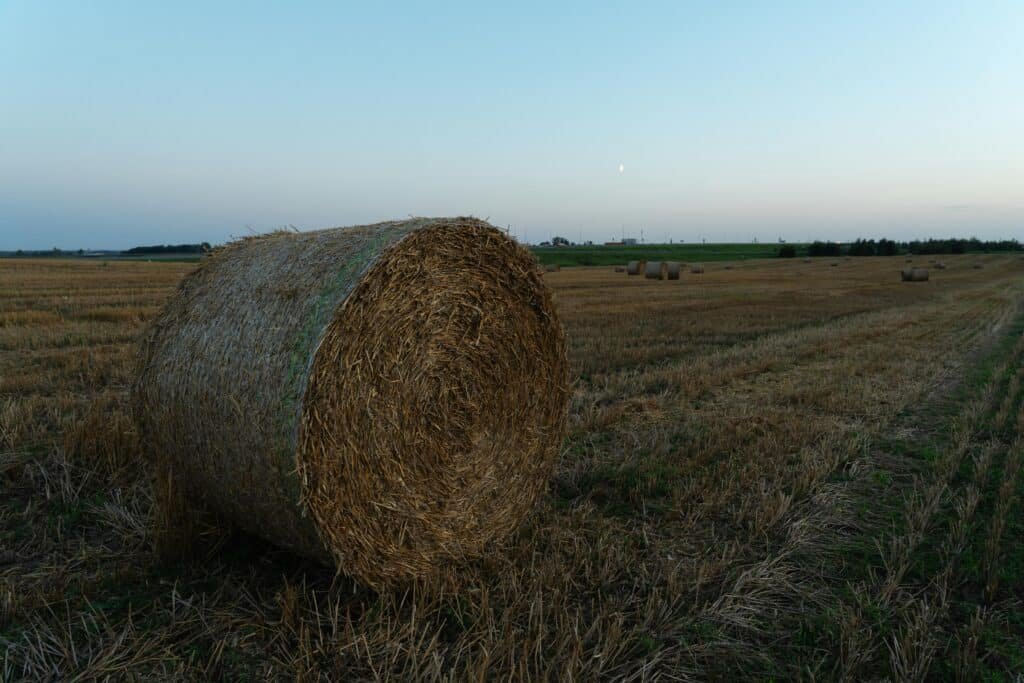
A hay bale can cost anywhere from $5 to $200, depending on size, type, and quality. Small square bales of 40-60 lbs can range from $5 to $15 each, while large round bales of 800-1,200 lbs sell for $50 to $150. Large square bales of 800-1,500 lbs often cost between $100 and $200 each. Generally, round bales of hay often offer better bulk value, while square bales fetch higher per-unit prices in markets where convenience matters.
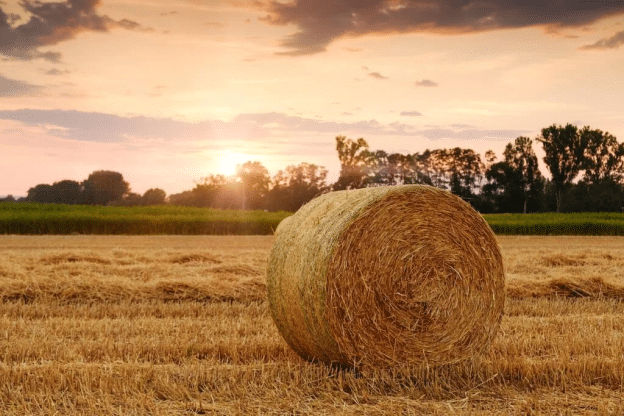
Alt text: A round bale of hay
What determines the cost of a bale of hay?
Hay bale prices don’t just appear out of thin air. Several factors shape the final cost. As sellers, understanding these elements helps set fair yet profitable prices. Here’s what to know:
- Hay quality and type: Legume hay, like alfalfa or clover, often costs more than grass hay due to its higher nutrition. Mixed hay and grade also influence market value.
- Supply and demand: Prices climb when supply is tight, especially in late winter and spring, while summer harvests usually bring more competitive rates.
- Regional climate: Weather shapes yields. Droughts and poor rainfall reduce supply and push costs higher, while good harvest seasons help keep prices lower.
- Location and transport: Local hay bales often cost less since hauling from distant suppliers adds fuel and logistics expenses that sellers pass on to buyers.
- Size and density of bales: Small square hay bales fetch higher per-unit prices for convenience, while larger round bales offer more value in bulk weight.
- Discounts for bulk orders: Selling in volume reduces handling costs, so many sellers offer lower per-bale prices to buyers purchasing in bulk quantities.
How to estimate the cost of a bale of hay?
For hay sellers, calculating the cost of a bale means factoring in more than just the harvest. You need to consider the following aspects:
- Seed and fertilizer costs: input prices directly affect production costs.
- Labor and machinery: harvesting, baling, and handling add overhead.
- Wrapping and storage: bale net wrap or twine protects hay but adds cost.
- Transport costs: hauling hay to storage or buyers’ location impacts margins.
- Waste allowance: always add 5-10% for hay lost during storage or handling.
For example, if you produce 100 bales of hay that cost $1000 in seed, labor, and fuel, plus $200 for wrapping, and you expect 10% waste, then your cost per bale is around $13.20.
Once you have calculated the cost and selling price, the next priority is storage. Proper wrapping is key to protecting hay quality and ensuring you sell at maximum value.
Best value-for-money bale wrapping solutions
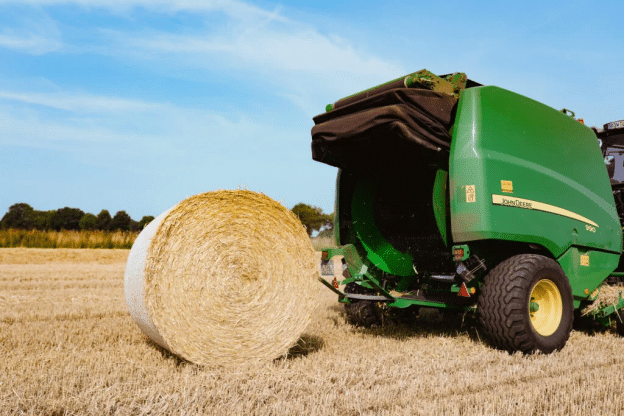
Protecting hay is as important as growing it. Bale wrap keeps moisture out, reduces spoilage, improves presentation, extends shelf life, and protects your profits. If you want a bale net wrap solution that’s tried and tested, check out XES bale wraps. XES stands for extreme, economic, and sustainable, providing premium quality bale net wraps. Our business leverages a direct manufacturer-to-consumer model that reduces cost for customers in the US and EU. Below are our best-selling net wraps for every baling need.
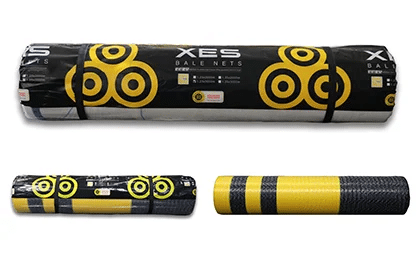
1. XES® Classic Bale Net Wrap
The Classic Bale Net Wrap is our trusted base model, built for reliability and cost-efficiency. With a tensile strength of 270 kg and made from eco-friendly HDPE, it ensures strong performance in every field. Farmers across Europe value its consistency, UV stability, and seamless fit with all major balers. It provides dependable protection for hay, straw, and silage.
Key features
- Durable strength: Knitted chain design with reinforced threads for reliable hold and less waste.
- Universal fit: Compatible with John Deere, New Holland, Vermeer, and more.
- Extra length: Guaranteed roll length with an additional 150 ft.
- Smart markers: Side markings and red end-of-roll alerts for easier handling.
- Even winding: Clean edges reduce downtime and improve baling efficiency.
- UV protection: 12-month stability ensures long-lasting protection in Central Europe.
Alt text: XES® Classic Bale Net Wrap
1. XES® Extreme Bale Net Wrap
For heavy-duty baling, the Extreme Bale Net Wrap offers premium durability at an economical price. Certified by the German Agricultural Society (DLG), it stands out for meeting strict European quality and performance standards. Strong enough for silage, straw, or even maize, it ensures secure wrapping and minimal waste.
Key features
- Certified quality: DLG-certified for reliability and tested performance.
- Extreme strength: Reinforced threads hold even heavy crops securely.
- Universal fit: Works flawlessly with leading baler brands.
- Extra length: Guaranteed roll length with added footage.
- Clear visibility: End-of-roll signals and side markings improve efficiency.
- UV protection: Resists sun exposure for at least 12 months.
Alt text: XES® Extreme Bale Net Wrap
1. XES® Supreme Bale Net Wrap
The Supreme Bale Net Wrap uses patented technology that eliminates traditional weaving, making it smoother, flatter, and more resistant to damage. With a high tear resistance of up to 300 kg and an extended roll length of 5,000 m, it is optimized for efficiency, durability, and reduced downtime in demanding harvests. It is ideal for silage, hay, straw, strong straw, corn, sugar beet pulp, and sticks.
Key features
- Patented technology: Innovative warp-weft design improves durability.
- High tear resistance: Handles heavy crops like corn with ease.
- Extended roll length: Up to 5,000 m for fewer stops during work.
- Universal fit: Runs smoothly on all established baling machines.
- Eco-friendly build: Made from high-density polyethylene (HDPE).
- Certified quality: ISO 9001 standards with 12-month UV stability.
Alt text: XES® Supreme Bale Net Wrap
Why XES Bale Net stands out
XES® Bale Net Wrap aims to deliver the best quality bale net wraps and pass direct savings to wholesalers and customers. We combine strength, innovation, and reliability for lasting value and consistent results. Here are some of the benefits of partnering with us:
- 20 years of experience
Two decades in the industry mean proven reliability. You benefit from products refined through years of research, field use, and farmer feedback, ensuring consistent quality and dependable performance in every roll.
- Quality products
We manufacture using eco-friendly HDPE with strict ISO standards, giving you nets that run smoothly on any baler. This means less downtime, better storage results, and higher customer satisfaction for your hay business.
- Maximum bale net strength
Our patented designs and reinforced structures provide superior durability, minimizing waste and reducing re-baling costs. Stronger nets protect your hay and silage better, helping you deliver a product your buyers can trust.
- Expert team
Behind every roll is a team of specialists focused on efficiency and customer needs. You gain access to expert guidance, fast turnaround, and responsive support that simplifies your purchasing and stocking process.
- Global reach
Our strong presence in the US and EU guarantees a stable supply and competitive pricing. Wholesale buyers enjoy reliable delivery, reduced costs, and confidence in meeting seasonal demand spikes without interruptions.
10 Tips for selling hay bales
Selling hay is more than growing and baling. It is about timing, pricing, and building trust with buyers. Here are ten tips to help you sell hay bales more effectively.
- Know your market: Understand local demand for dairy, horses, or beef cattle. Survey buyers, run feed tests, and match cutting, forage quality, and packaging to premium or commodity market expectations.
- Price competitively: Monitor regional rates weekly through seasonal shifts. Factor bale type, moisture, transport, and handling into margins. Price plainly to protect profit and build buyer trust.
- Offer different bale sizes: Small squares, large squares, and round bales cater to various buyers. Small-sized bales are ideal for hobby farms, whereas large bales are for bulk buyers and large farms. Tailored stock converts varied demand into steady revenue.
- Advertise early: List inventory before late summer harvest peaks. Early listings lock contract buyers, reduce storage congestion, and allow premium pricing when scarcity elevates winter demand.
- Highlight quality: Share hay tests, cutting date, moisture readings, and storage notes. Honest lab data and clear photos justify higher prices and reduce buyer disputes and returns.
- Use multiple sales channels: Promote through word-of-mouth, farm boards, social media, auctions, brokers, and online farm marketplaces to reach more buyers. This kind of diversity will increase exposure, sharpen pricing signals, and shorten time to sale.
- Provide delivery options: Offering transport can give you an edge over competitors and make your hay more attractive to distant buyers. You can include local drop, farm pickup, and long-haul freight while keeping delivery fees transparent.
- Sell in bulk: Structure volume discounts that preserve margins. Offer tiered per-bale pricing, delivery bundles, and seasonal contracts to move inventory while protecting farm cash flow and building loyalty.
- Maintain good storage: Store bales off the ground, under cover, on pallets or gravel, with ventilation. Proper hay storage prevents rot, mold, and nutrient loss, preserving sale value and seller reputation.
- Build long-term relationships: Reliability matters. Communicate inventory updates, deliver on promises, and offer flexible terms. Reliability converts customers into repeat buyers and referrals, stabilizing income across volatile seasons and building trust.
FAQ
- How much does a round bale of hay cost?
It depends on the bale size, hay contents, and region. A small round bale can sell for $5-$15, whereas a large round bale goes for $50-$150. Sellers often prefer round bales for bulk buyers due to efficiency. For reliable packaging that preserves bale quality, XES® Bale Net Wrap is a proven solution that is trusted worldwide.
- How much does a square bale of hay cost?
Small square bales (40-60 lbs) often sell for $5-$15 each, while large square bales (800-1,500 lbs) range from $100-$200. Square bales fetch higher per-unit prices because they allow for ease of handling. Secure your bales effectively with XES® Bale Net Wrap to maximize returns.
- Why is alfalfa hay more expensive?
Alfalfa hay commands higher prices because of its protein content, digestibility, and value for dairy and performance animals. Production is also more resource-intensive compared to grass hay. Protect premium alfalfa hay bales with XES® Supreme Net Wrap, designed for durability and long-term storage.
- How many bales of hay are in a ton?
The number of bales per ton depends on size. A ton consists of around 20 small square bales of 50 lbs each, 1-2 large squares, or 1-2 large round bales. To preserve tonnage value, wrap your hay bales with high-strength XES® Bale Net solutions.
- When is the best time to sell hay at higher prices?
Hay prices rise in late winter and spring when supply tightens. Sellers who store hay properly can benefit from stronger demand. XES® Net Wrap ensures your bales maintain quality during storage so that you can sell at peak market value.
- Does hay cost more in winter?
Yes, hay typically costs more in winter due to increased livestock demand and reduced fresh forage. Sellers who plan storage wisely capture better margins. Using XES® Bale Net Wrap helps maintain quality through winter and guarantees higher returns.
- What differentiates grass hay and legume hay?
Grass hay, like Bermuda, is fiber-rich and cheaper, while legume hay like alfalfa is protein-rich and more expensive. Knowing the difference helps sellers target the right buyers. With XES® Net Wrap, you can package both types efficiently for diverse markets.
Conclusion
Hay prices shift with seasons, quality, and market demand, but smart sellers maximize profits through good timing, proper storage, and trusted packaging. With over 20 years of expertise, XES® Bale Net Wrap helps you protect bale quality, reduce waste, and boost sales. Contact us today to secure your next order.