
John Deere net wrap: performance, costs, and smarter alternatives
Become familiar with John Deere net wrap. Learn about its features and benefits. Also, discover whether it is an investment worth your money and its best alternative.
Preface
Have you ever had a bale fall apart the moment it hit the yard? Or, watched rain soak into a bale that you planned to sell next week? For hay sellers, these moments hurt. They cut into margins, damage buyer trust, and waste labor! The good thing is that you can solve it using a net wrap. It keeps bales tight, clean, and stable from field to sale. Among the many options, John Deere net wrap is one of the most widely recognized names in the market. But does its brand recognition alone guarantee the best ROI? And when does an alternative make better sense? Let’s find out.

Overview of John Deere net wrap
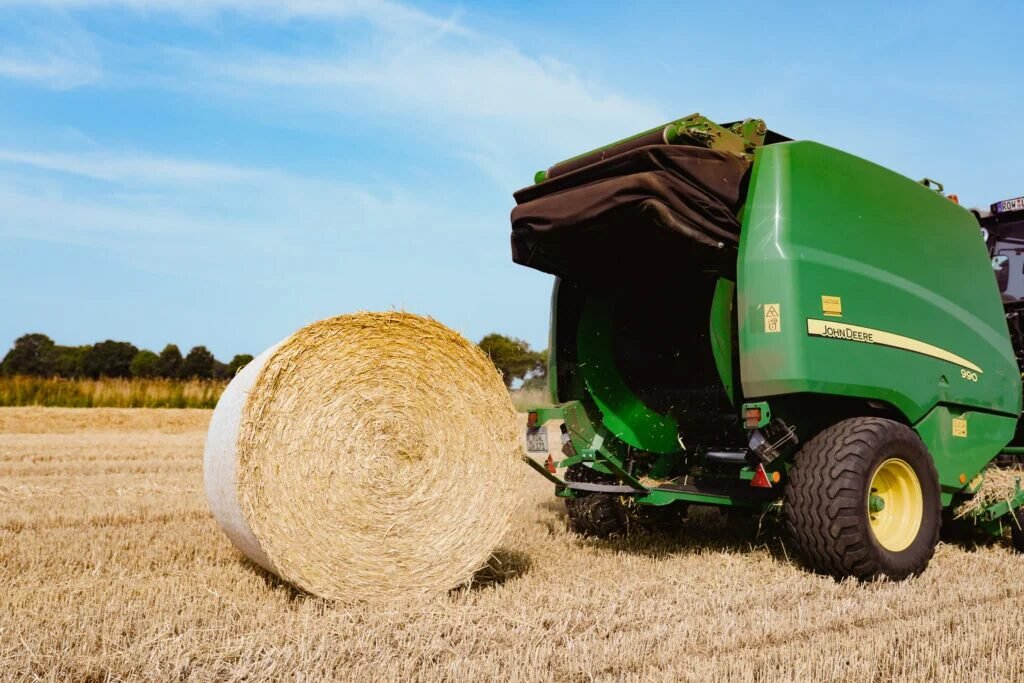
John Deere net wrap is a strong, mesh-like material made from high-strength polyethylene and is used to bind round bales of hay, straw, and silage. Compared with twine, net wrap covers the bale surface faster, reduces baling time, and produces a tighter, more uniform bale. It maintains bale shape during handling, reduces moisture penetration, improves stacking and transport stability, and protects visual quality for resale. John Deere offers multiple net wrap options, and below are the two most widely used:
CoverEdge net wrap by John Deere
John Deere CoverEdge net wrap is built to extend beyond the edges of round bales, improving shape and weather protection. Common sizes range from 1275 to 1690 mm in width, with roll lengths of 2,750 m or 3,800 m. Roll weight averages 41.6-43.6 kg, with a diameter close to 29 cm, supporting consistent field use. This net wrap suits hay and silage sellers storing bales outdoors. It fits operations focused on bale appearance, shape retention, and moisture control.
Key features
- Edge coverage: Wraps beyond the bale edge to reduce moisture exposure, limit edge fraying, and maintain a tighter bale shape during handling, transport, and outdoor storage.
- ZEBRA® roll pattern: Uses an asymmetrical stripe design that shows correct roll loading direction and helps operators identify proper unwrapping orientation during feeding or bedding.
- End-of-roll warning stripe: Displays a visible stripe near the roll’s end, giving operators advance notice to prepare a roll change and avoid unfinished or loosely wrapped bales.
- Guaranteed minimum length: Ensures every roll contains at least the stated footage, helping hay sellers plan bale counts accurately and manage cost per bale with fewer surprises.
- TamaTec+ formulation: Combines materials to deliver consistent strength while maximizing usable footage, supporting steady wrapping performance without sacrificing durability or coverage.
- Uniform winding: Maintains even roll density across the core, allowing smooth feeding through the baler and reducing the risk of uneven wrap application in the field.
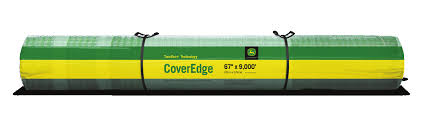
Edge to Edge MegaRoll net wrap
John Deere Edge-to-Edge MegaRoll net wrap is designed for high-volume baling operations that value efficiency. It delivers full-width bale coverage with an extended roll length of about 13,200 ft (nearly 4,000 m) and a width of about 67 inches. Longer rolls help reduce downtime during long harvest days or baling runs. The net wrap works best for large farms, contractors, and cooperatives selling hay by the truckload.
Benefits of John Deere net wraps
For hay sellers, net wrap performance shows up after baling, during storage, hauling, and delivery. John Deere net wraps focus on protecting bale quality, so sellers lose fewer bales and protect sale value. You enjoy the following:
- John Deere net wraps cover up to 15 percent more surface area, strengthening bale edges and helping bales hold their shape during handling and stacking.
- They provide improved protection against rain and moisture by reducing exposed edges where water usually enters the bale.
- They reduce spoilage during outdoor storage by limiting air pockets and slowing moisture penetration over time.
- They produce cleaner, tighter bales that stack more evenly and remain stable during transport to buyers.
- They create a smooth bale surface that supports consistent, high-quality silage wrapping and better fermentation results.
Is John Deere net wrap worth the investment?
Yes, the John Deere net wrap is worth it from a business perspective, particularly for hay sellers who focus on ROI, cost per bale, and margin stability. Here are its merits and demerits:
Pros
- Predictable roll length supports accurate cost-per-bale planning.
- Strong, full-width coverage helps reduce bale damage during handling and storage.
- Fewer roll changeovers limit downtime during baling.
- Reliable performance suits outdoor storage and premium hay sales.
Cons
- Higher upfront price compared to many alternative net wraps.
- Dealer-dependent supply can limit availability during peak season.
- Cost differences become significant for high-volume baling operations.
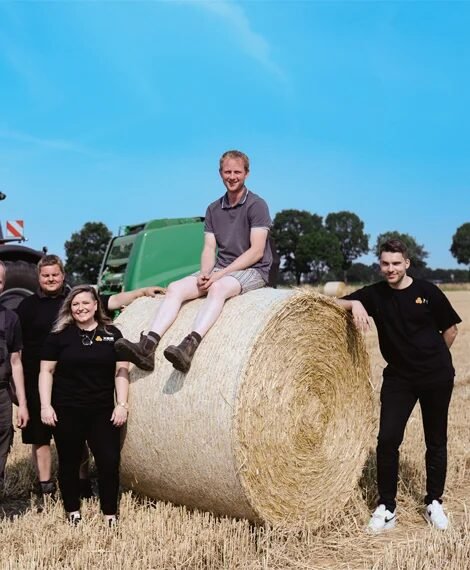
When to consider a John Deere net wrap alternative
John Deere net wrap works well for many operations, but it does not suit every hay business. Certain situations push farmers and hay sellers to look for alternatives that offer better control, supply security, or cost efficiency. These scenarios include when there is:
- Supply uncertainty: During peak baling season, dealer stock may run out without warning. If a roll is unavailable when fields are ready, baling stops, crews wait, and hay quality drops while weather conditions change.
- High-volume cost pressure: Operations wrapping thousands of bales notice small price differences quickly. Paying premium rates per roll increases total costs, lowering margins when hay prices soften, or contracts demand tight cost control.
- Regional distribution limitations: Some regions receive limited roll sizes or lengths through local dealers. This forces farmers to adjust baler settings or accept less efficient wraps, leading to wasted footage and inconsistent bale results.
- Need for flexible sourcing: Large farms and cooperatives often need scheduled deliveries and bulk supplies. Relying on a single dealer limits flexibility, while direct suppliers offer predictable stock and better planning across the season.
What is the best alternative to John Deere net wrap?
Have you ever missed a baling window because net wrap stock ran dry? Or paid premium prices for rolls that barely met expectations? XesbaleNet was built to solve that. With over 20 years of manufacturing experience, XES® supplies durable, consistent bale net wrap. We use the direct manufacturer-to-consumer model to eliminate middleman costs and offer competitive prices. If you want a John Deere net wrap alternative you can trust, here are our products:
XES® Classic Bale Net Wrap
XES® Classic is built for everyday baling where reliability matters more than brand premiums. It offers solid tensile strength, clean edges, and smooth feeding across all major round balers. Guaranteed extra length per roll helps sellers control bale counts and reduce waste during busy harvest periods.
Key features
- Knitted chain structure: Delivers consistent strength across the net surface, helping bales hold their shape during wrapping, transport, and storage without weak spots that lead to loosening or edge damage.
- Universal baler fit: Designed to run smoothly on John Deere, New Holland, Vermeer, and other common round balers, reducing setup issues and allowing mixed fleets to use one net wrap type.
- Guaranteed extra length: Provides additional footage per roll beyond the stated length, giving hay sellers better control over bale counts and more predictable cost per bale during peak harvest periods.
- Clear side markings: Visible markings guide correct roll installation and help operators monitor net placement, reducing loading errors and improving wrap consistency from the first bale to the last.
- Even winding: Maintains uniform roll density from core to edge, supporting smooth feeding through the baler and minimizing interruptions caused by uneven tension or misfeeding.
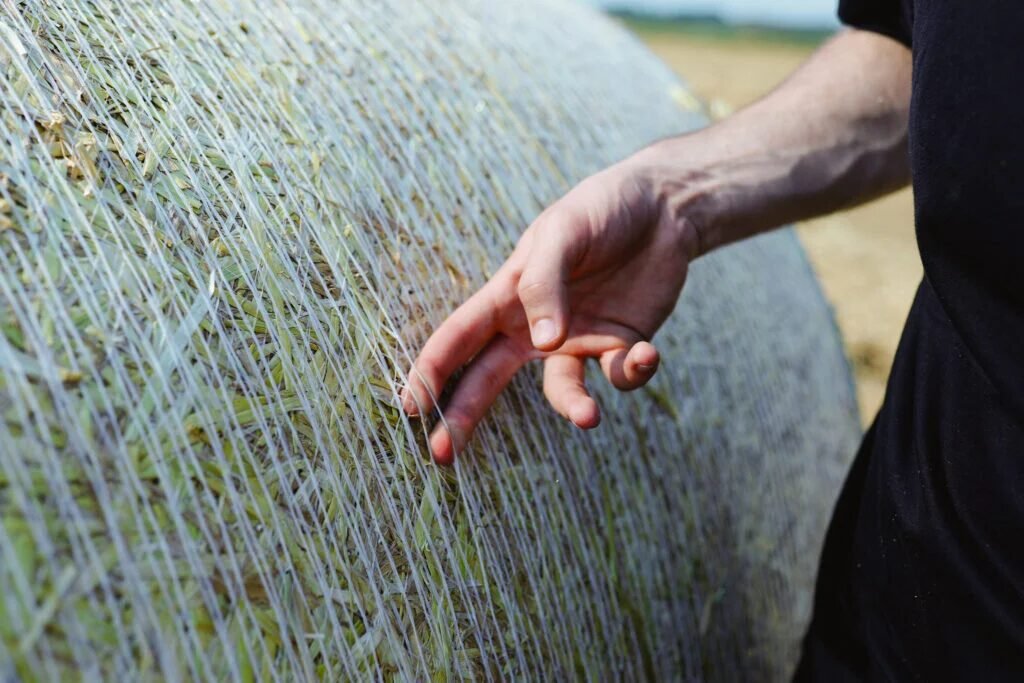
XES® Extreme Bale Net Wrap
XES® Extreme is designed for tougher baling conditions and heavier crops. Reinforced threads improve resistance when wrapping dense silage, maize, or strong straw. The wrap maintains stability under load while keeping roll changes manageable, making it suitable for high-output farms and cooperatives.
Key features
- Reinforced thread design: Uses strengthened threads to withstand higher tension when wrapping dense silage, maize, or strong straw, reducing the risk of tearing under heavy bale pressure.
- High tensile performance: Maintains strength across the full wrap cycle, supporting demanding crops without uneven stretching that can compromise bale tightness or lead to early wrap failure.
- UV resistance: Protects the net from sunlight exposure during outdoor storage, helping maintain holding strength and reducing degradation over extended periods in the field or yard.
- Guaranteed roll length: Ensures each roll delivers the stated footage, allowing farms and cooperatives to accurately calculate the cost per bale and plan seasonal net wrap usage with confidence.
- Smooth surface finish: Promotes fast, consistent wrapping by reducing friction in the baler, supporting clean bale appearance and efficient throughput during long baling runs.
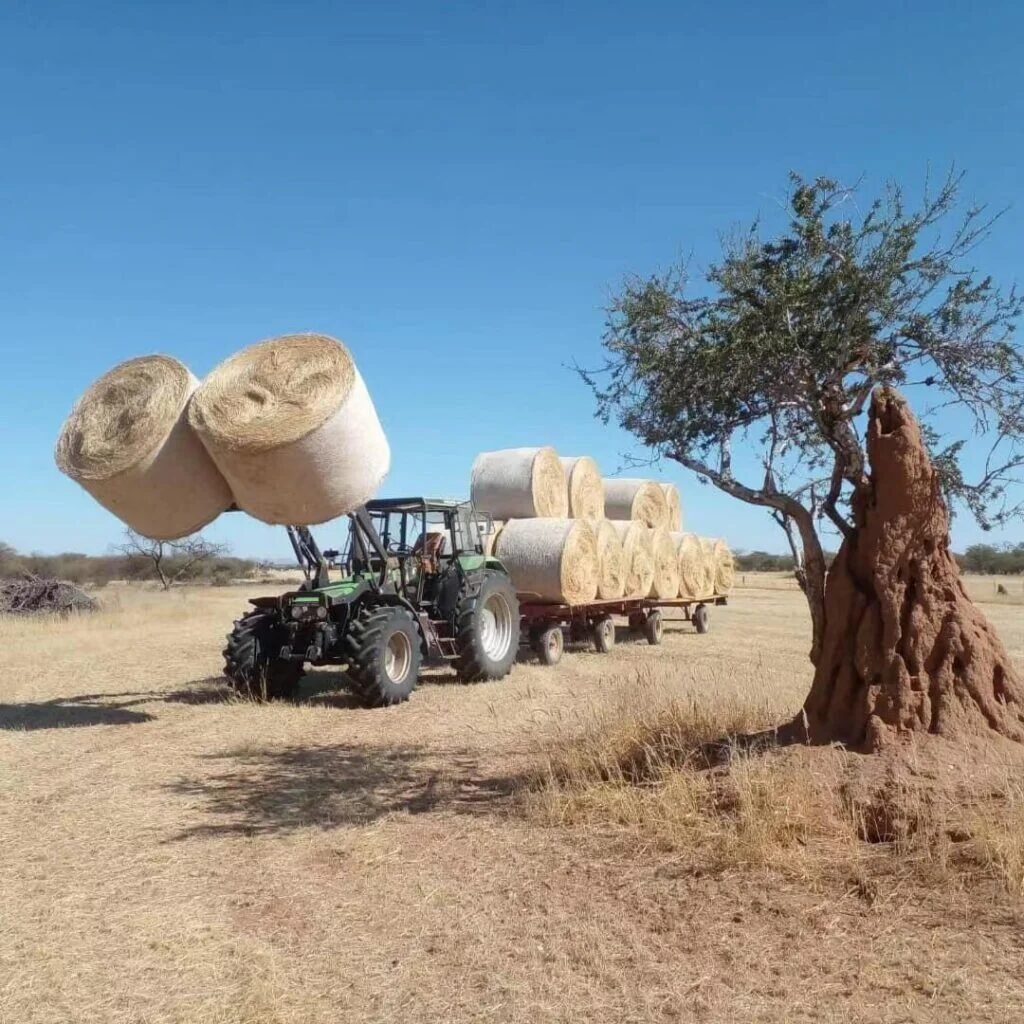
XES® Supreme Bale Net Wrap
XES® Supreme is built for high-volume operations where downtime carries real cost. Its advanced structure spreads load evenly across the net, allowing longer roll lengths without increasing roll size. This reduces roll changes, improves productivity, and supports demanding applications like corn and heavy silage.
Key features
- Advanced thread structure: Spreads load evenly across the net surface, increasing tear resistance and maintaining stability when wrapping heavy, high-density bales under demanding field conditions.
- Extended roll footage: Provides a longer net length per roll without increasing roll size, resulting in more bales per roll and reducing downtime from frequent roll changes.
- Flat net surface: Minimizes friction within the baler and packaging equipment, reducing wear on machine components and supporting smoother operation during continuous baling.
- High tensile strength: Handles heavy crops and tight bale densities with consistent holding power, reducing the risk of wrap failure during transport and extended outdoor storage.
- Certified manufacturing: Produced under certified quality systems to ensure consistent performance, reliable specifications, and uniform strength across large supply volumes for farms and cooperatives.
How to choose the right net wrap for your hay business
Choosing net wrap affects bale quality, labor time, and profit per load. The right choice depends on how you bale, store, and sell hay, not on brand names or dealer recommendations alone. You should consider the following:
- Key questions hay sellers should ask
Ask how many bales you produce per season, where bales are stored, and how far they travel to buyers. These answers shape wrap strength needs, roll length targets, and acceptable cost per bale.
- Matching net wrap specs to bale type, volume, and storage method
Dense silage and outdoor storage demand higher tensile strength and edge coverage. Dry hay stored indoors allows lighter wraps. High-volume operations benefit from longer rolls that reduce changeovers and downtime.
- Avoiding common mistakes when selecting net wrap
Many sellers overpay for brand names or underbuy strength. Others ignore roll length, causing frequent stops. Choosing a net wrap without checking baler compatibility often leads to feeding issues and inconsistent bale quality.
FAQ
- How does John Deere net wrap work?
The working mechanism of the John Deere net wrap is simple. It secures the bale by wrapping the surface evenly as the bale rotates in the baler machine. This distributes tension across the bale edges and surface, and reduces air gaps and moisture entry. It also locks the crop material in place and protects the bale shape. If you want similar performance and results, the XES® Extreme net wrap is the perfect solution for seller-focused baling efficiency.
- How many bales will one roll of net wrap do?
Bale count depends on roll length, bale diameter, and wrap layers. A standard 3,000 m roll typically wraps 120 to 150 bales, depending on bale diameter and wrap count. Longer options such as XES® Supreme increase bale output per roll and reduce roll changes.
- How much does a roll of John Deere net wrap cost?
The pricing of John Deere net wraps varies by type, size, season, and region. Generally, the prices can range from around $280 to over $400 per roll of net wrap. However, if this doesn’t fit your budget, the market has many other options to check out. Another brand trusted by many farms across Europe and Australia is XES bale nets. It offers the same strength and capabilities, and you will save more with its direct-manufacturer-to-consumer business model.
- Why do hay sellers choose John Deere net wrap?
Hay sellers choose John Deere net wrap for consistent roll length, strong edge coverage, and wide baler compatibility. It is a reputable brand offering superior bale quality, efficiency, and cost-effectiveness. Sellers comparing margins often pair these benefits with XES® Bale Nets alternatives to control long-term costs.
- Are there cost-effective alternatives to John Deere net wrap?
Yes. There are several options. Some of the most popular ones are the XES® Classic, XES® Extreme, and XES® Supreme, which offer comparable strength, UV resistance, and coverage. Moreover, they provide competitive pricing and flexible supply for farms and cooperatives.
- Why do cooperatives prefer bulk net wrap suppliers?
Cooperatives prefer bulk suppliers to leverage collective purchasing power. It also helps them secure a stable supply, reduce per-bale cost, and avoid harvest delays. One such supplier you can rely on is XesbaleNet, which supports bulk buyers through direct manufacturing and consistent product availability.
- How does XesbaleNet compare to John Deere net wrap for large farms?
For large farms, John Deere net wrap is typically considered the premium option, offering seamless, guaranteed performance specifically engineered for John Deere balers. At the same time, XesbaleNet is a high-quality, DLG-certified universal alternative that aims to provide a lower cost-per-bale through a direct-to-consumer model. XES nets are also compatible with all major baler brands.
- What is the role of net wrap in modern hay selling?
In modern hay selling, net wrap plays a crucial role in enhancing bale quality, durability, and marketability. Its use streamlines the baling process and significantly reduces post-harvest losses, making it the preferred method for commercial producers. High-quality net wrap rolls, such as those from XESbaleNet, directly support sale value and buyer satisfaction, especially for outdoor-stored hay.
- Why does net wrap quality determine hay profitability?
The quality of your net wraps directly affects hay profitability by influencing spoilage rates, handling losses, and buyer acceptance. It minimizes dry matter and nutrient loss, increasing baling efficiency and reducing overall labor and equipment costs. Strong, consistent wrap protects each bale’s sale price. For consistent baling, use XES® net wraps so your bales can be high-quality, sell faster, and generate more profit.
Conclusion
John Deere net wrap delivers dependable performance and proven bale protection. For many hay sellers, it remains a reliable option. However, for high-volume farms and cooperatives, long-term profitability often depends on cost control and supply flexibility as much as brand reputation. Direct manufacturers like XesbaleNet offer net wrap solutions that match premium performance while improving pricing transparency and availability. Evaluating both options allows hay sellers to protect bale quality, reduce downtime, and safeguard margins throughout the season.