
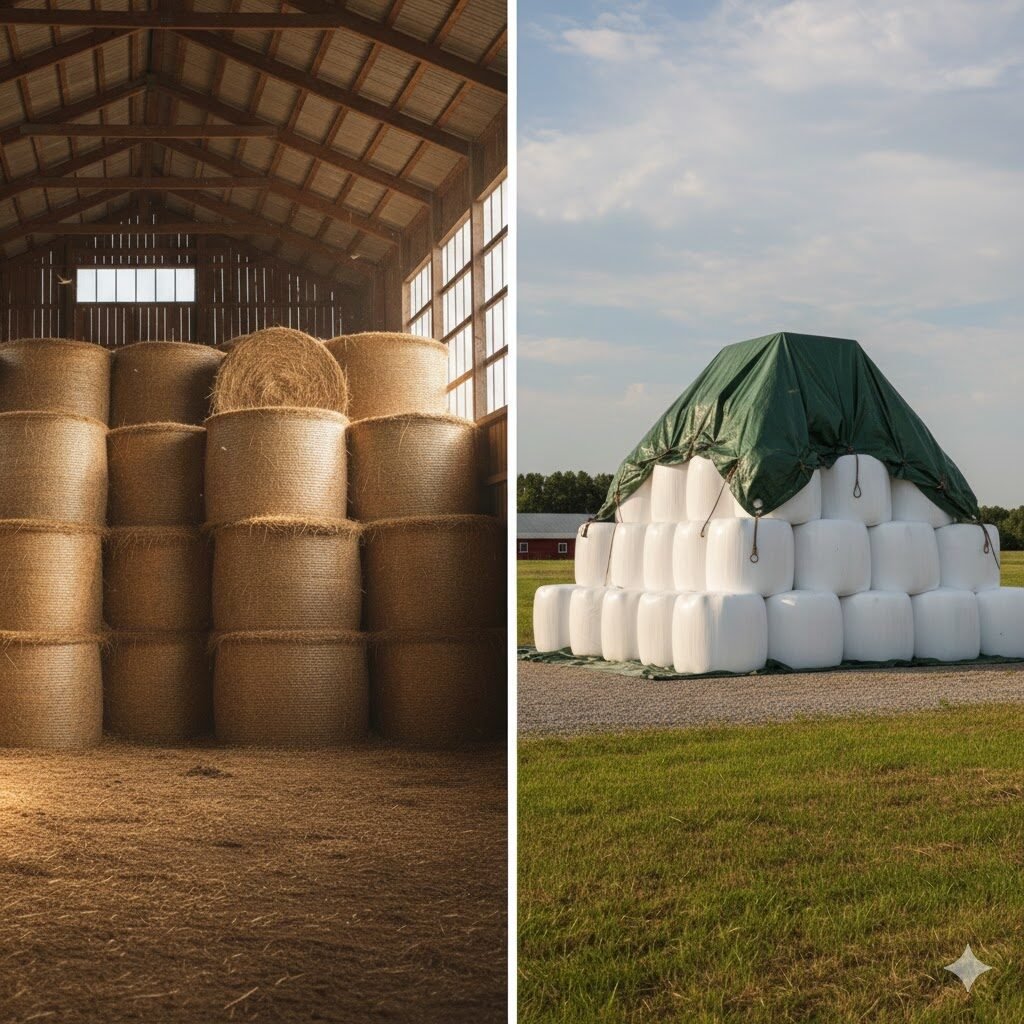
Why are hay bales wrapped in plastic
Why are hay bales wrapped in plastic? Learn the real reasons farmers do it, how it protects hay quality, reduces waste, and helps you earn more from each bale.
Preface
Good hay is money. You work hard to cut it, rake it, and bale it. However, one storm or one week of bad storage can wipe out a big part of your profit. The truth is, many farmers lose significant amounts of hay to rain, mold, and leaf shatter each year! Does that sound familiar? If so, this guide explains exactly why so many farmers wrap hay in plastic. You will also learn how it helps you keep more hay, more feed value, and more money in your pocket. Let’s begin.
Why are hay bales wrapped in plastic?
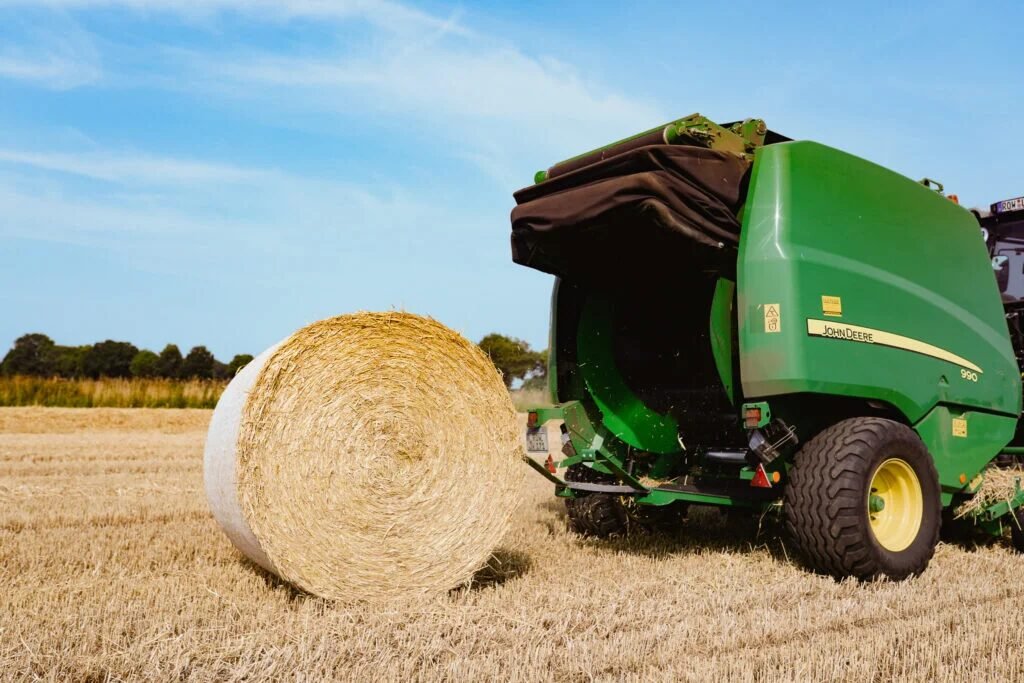
The primary reason for wrapping hay bales in plastic is to protect them from moisture, mold, and harsh weather. Dry hay needs airflow, so it is usually wrapped with plastic net wrap to keep the bale tight. Wet hay or silage needs an airtight plastic wrap to ferment safely. If you want hay wrapping solutions, remember to check applicable regulations in your region. EU farmers follow stricter rules. This applies to moisture levels, recycling of silage plastic, and storage standards to maintain consistent hay quality.
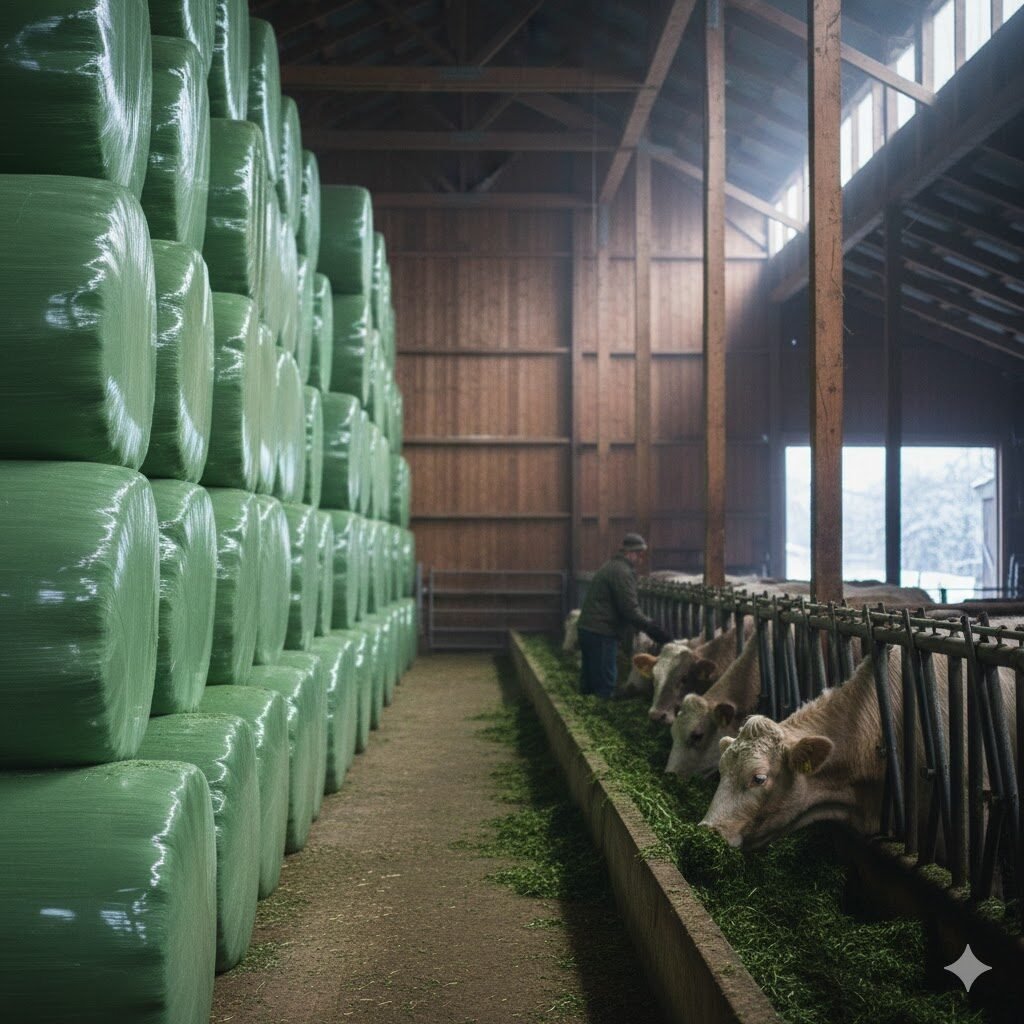
10 Benefits of wrapping hay in plastic
Wrapping increases hay quality, keeps waste low, and helps you earn more per bale. It is one of the simplest ways to protect your hard work and keep your feed or sale bales in top shape.
1. Better hay protection in storage
Plastic wraps shield hay from rain, ground moisture, and wind. It prevents the outer layer from turning gray or rotten and keeps dry matter losses low. This helps your hay stay solid and ready for sale during long storage periods.
2. Prevents high moisture levels, especially outdoors
Plastic wrap blocks water from entering the bale after baling. This stops late moisture spikes that cause heating, mold, and nutrient loss. Even bales stored outdoors keep a steady moisture level, which protects quality through the season.
3. Sustains hay bale quality
Good wrapping slows spoilage and keeps leaves and stems intact. It also protects bales from dirt and dust in open fields or storage yards. The result is cleaner, safer feed that holds its value for feeding or selling.
4. Creates proper conditions for fermentation
For silage, plastic wrap seals oxygen out so fermentation can happen the right way. This creates stable, high-energy feeds that cattle clean up well. A tight seal also prevents butyric spoilage and keeps the bale safe long term.
5. Streamlines labor resources and time
Net wrap speeds up baling and reduces the number of turns needed on each bale. Wrapped bales stack cleaner and load faster, which saves labor during harvest and feeding. This keeps the workflow steady during busy weather windows.
6. Allows the same tools for wet and dry hay
Modern balers and wrappers can switch between dry hay and silage without extra gear. This keeps your equipment useful in all weather and lets you change plans fast. One setup handles both crops, which cuts costs and saves time.
7. Reduces the weather impact on hay making
Wrapping protects bales when storms roll in early. Once sealed, rain or humidity cannot ruin the bale. This gives you more control over the harvest, especially during unpredictable weather patterns or tight cutting windows.
8. Minimizes hay loss during transit
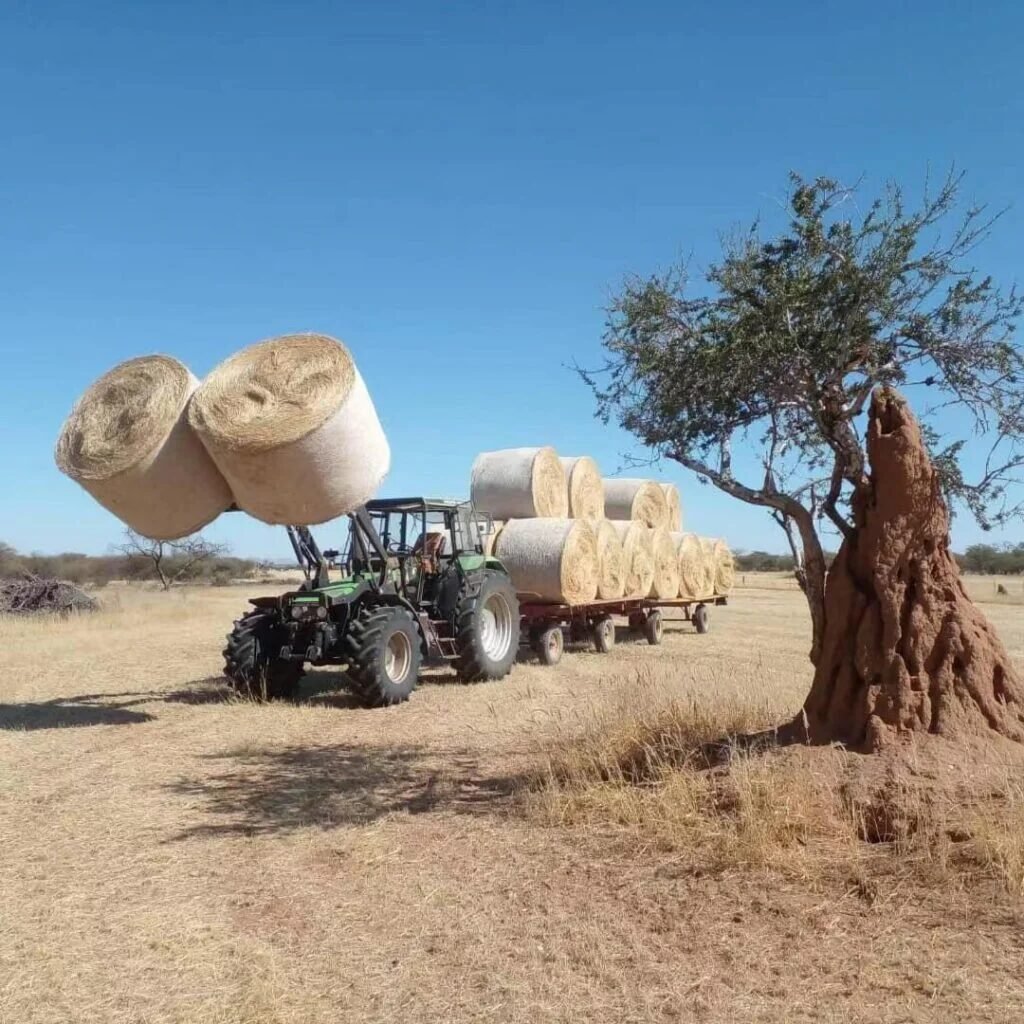
Wrapped bales hold their shape and stay tight on the road. Leaves and fines stay inside instead of blowing off during hauling. This protects feed value and keeps you from losing money during delivery or long moves.
9. Increases leaf retention for nutritious feed
Plastic net wrap locks the leaves inside the bale. Leaves hold most of the protein, energy, and digestible nutrients. Keeping them in boosts feed quality and gives livestock a more consistent, richer ration.
10. Makes your hay more valuable when selling
Wrapped bales look better and keep their shape, which buyers notice. Clean, tight, consistent bales bring higher prices because they are easier to handle and store. Good wrapping helps you build trust and keeps clients coming back.
What type of plastic is used to wrap hay bales?
Farmers and hay sellers use two main options. Plastic wrap for wet hay. Plastic net wrap for dry hay and, sometimes, for silage, together with plastic wrap. Each serves a different job.
a. Plastic wrap for hay bales
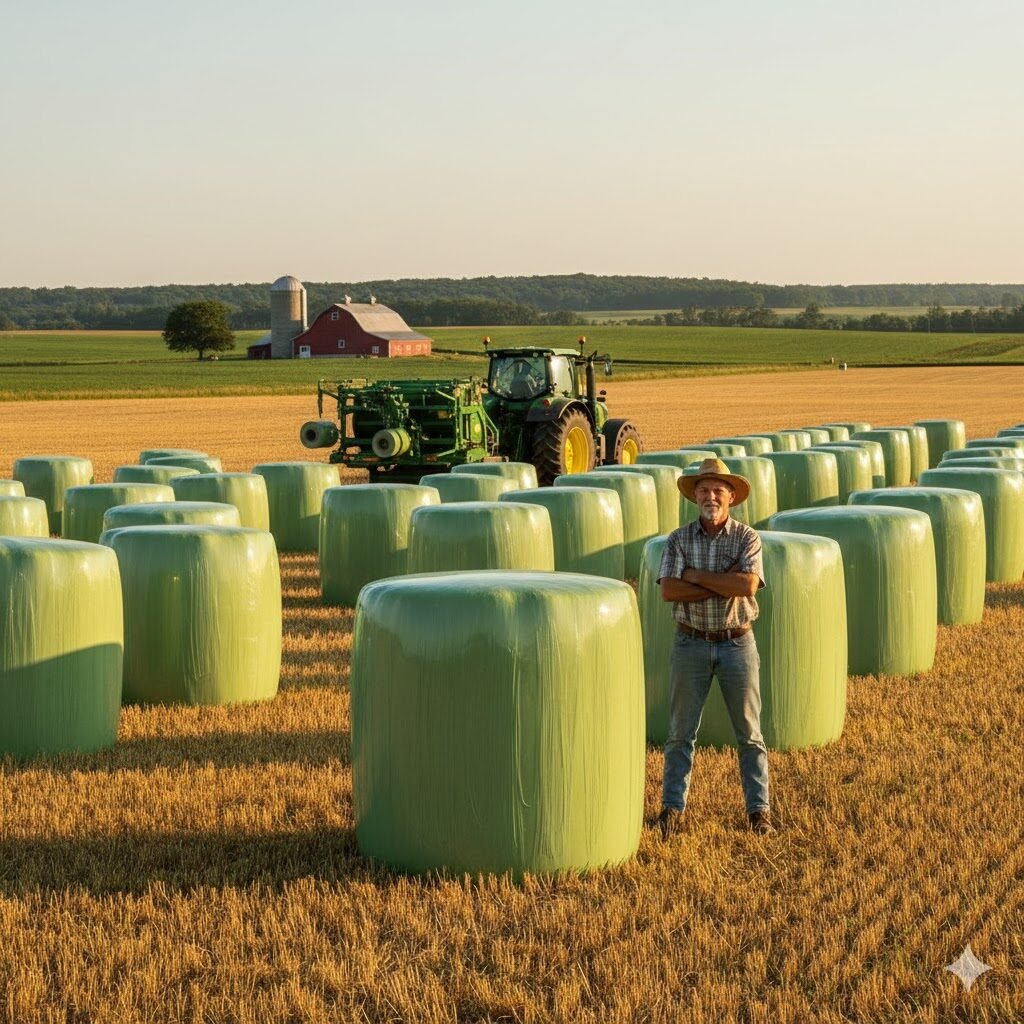
Plastic wrap, or silage film, is made from LDPE. It is a solid sheet designed for high-moisture hay. When wrapped, it creates an airtight seal that allows fermentation and protects the bale from the weather. It stretches well, holds tight, and offers good UV resistance.
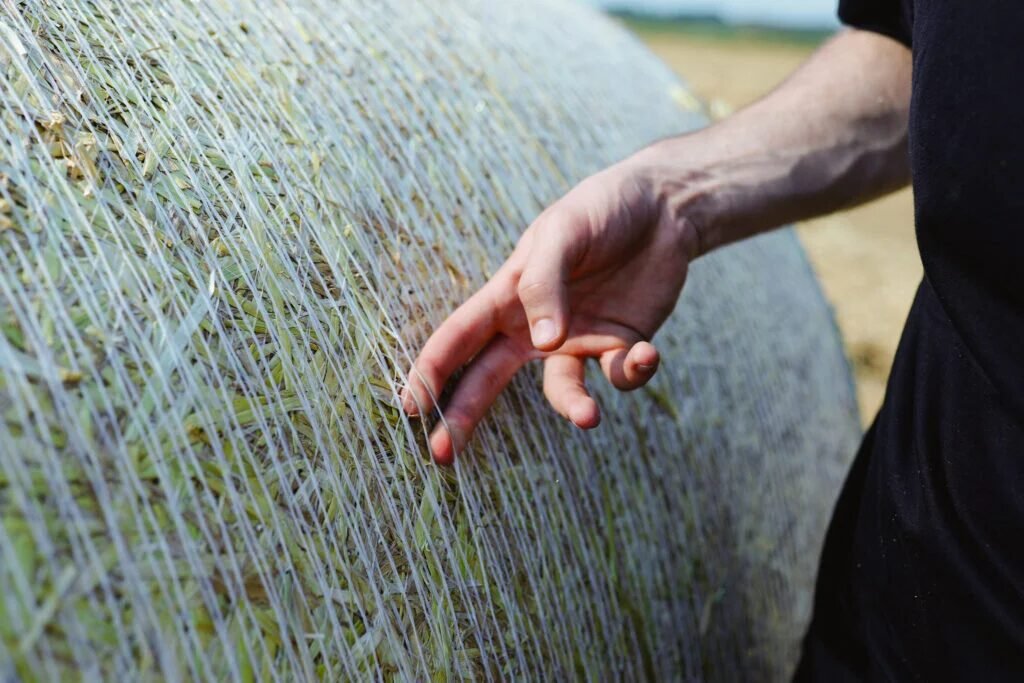
b. Plastic net wrap for hay bales
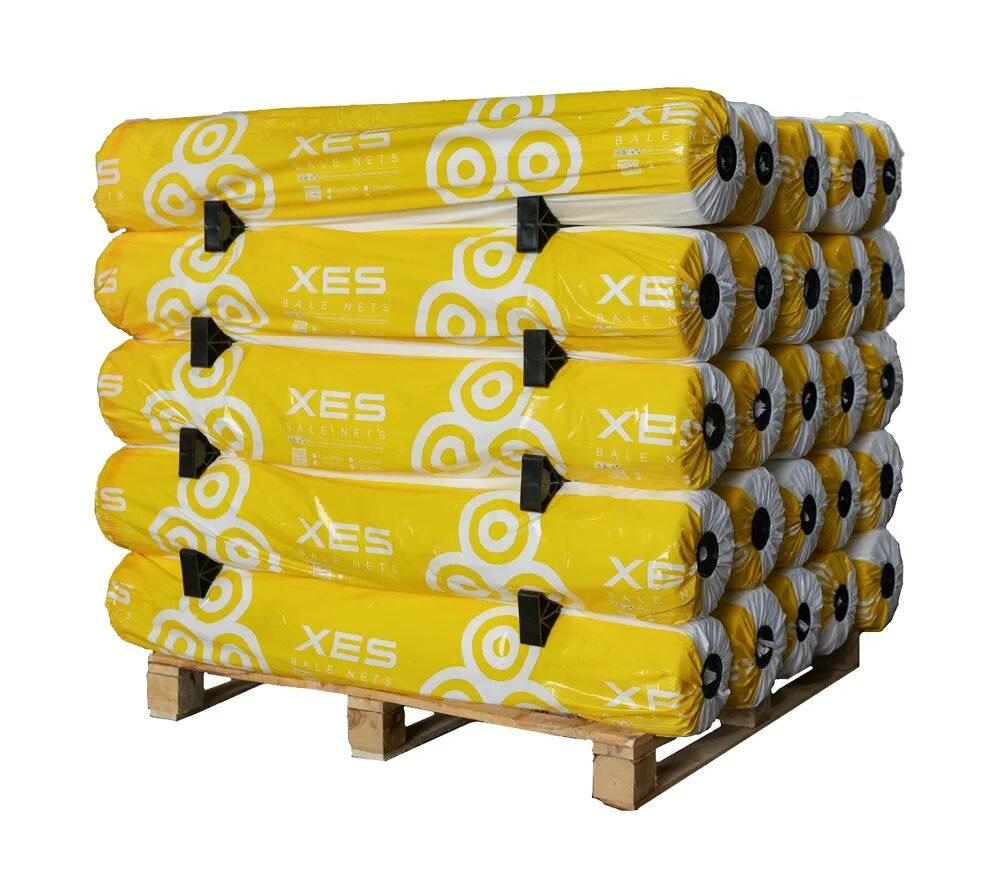
Plastic net wrap is a strong mesh that holds the bale tight and keeps its shape. It is ideal for dry hay because it allows air to pass through, which prevents sweating. It reduces leaf loss, saves time, and handles better than twine. XES is a trusted leader with over 20 years of experience supplying reliable net wraps that perform well in real field conditions.
XES® Classic Bale Net Wrap
The XES classic bale net wrap is a dependable hay wrap built for everyday baling. It holds a tight roll, offers strong tensile strength, and gives farmers consistent performance across all common balers.
Key features
- Proven strength: The reinforced chain structure delivers solid 270 kg tensile strength that reduces breakage during baling and handling.
- Reliable UV stability: UV protection supports long storage periods in fields and sheds without weakening the net.
- Smooth feeding: Even winding reduces issues inside the baler and helps you maintain a steady baling speed.
- Fits any baler: Works with all major baler brands, which keeps your operation simple and flexible.
- Eco-friendly HDPE: Built from high-quality HDPE that balances durability with reduced environmental impact.
XES® Extreme Bale Net Wrap
The XES extreme bale net wrap is built for tougher materials and harder conditions. DLG is certified for quality, strength, and performance. Ideal for farmers who need more durability without raising costs.
Key features
- Extra strength mesh: Special reinforced threads provide superior hold and reduce bale deformation during handling.
- DLG certified: Independent testing verifies high performance in strength, reliability, and consistency.
- Extended length guarantee: Each roll delivers the full stated length with an extra 150 feet added for value.
- Clear markings: Side markers and red end markings help farmers work faster and reduce downtime.
- Precise winding: Even edges and consistent roll build improve bale shape and reduce waste.
XES® Supreme Bale Net Wrap
XES supreme bale net wrap is our top-performing net wrap with a patented warp-inserted design. It offers longer lengths, higher tear resistance, and smoother running for heavy crops and high-demand operations.
Key features
- Patented structure: One warp thread links three weft threads, increasing surface contact and improving tear resistance.
- Longer rolls: Up to 5000 meters per roll with the same diameter, which reduces changeover time in the field.
- High tear strength: Handles corn, beet pulp, heavy straw, and tough crops without splitting.
- Smooth surface: Less friction inside the baler, which lowers wear and keeps baling consistent.
- Certified quality: Manufactured under ISO 9001 standards and built with eco-friendly HDPE.
What is the difference between plastic wrap and plastic net wrap for hay bales?
Both protect hay, but they do different jobs. Plastic wrap seals moisture in. Net wrap holds the bale tight and allows air to move through dry hay.
| Feature | Hay bale plastic wrap | Hay bale plastic net wrap |
| Material | Solid LDPE film | HDPE mesh netting |
| Purpose | Seal oxygen out for fermentation | Hold bale shape and reduce leaf loss |
| Breathability | No airflow | Allows some airflow |
| Use cases | Silage and wet hay | Dry hay and straw |
| Protection | Full weather seal | Strong surface hold |
| Baling process | Requires wrapper | Applied in baler |
| UV resistance | High UV stability | Mostly 12-month UV stability |
| Cost | Higher per bale | Lower per bale |
| Required equipment | Baler and wrapper | Baler only |
| Environmental impact | More plastic used | Less plastic per bale |
Can I use both a plastic net wrap and a plastic wrap together on the same bale?
Yes. Many farmers do this for maximum protection. Net wrap shapes the bale and keeps it tight. Plastic wrap then seals it and blocks air and moisture. Using both together offers these benefits:
- Superior spoilage prevention
Net wrap holds the bale firm, and plastic wrap locks out oxygen. This double layer stops mold, heating, and moisture damage, especially for wet bales stored outdoors for long periods.
- Improved hay quality
With the bale tight and sealed, nutrients stay inside. The leaves remain attached, moisture stays stable, and the feed value stays high. This creates cleaner, more consistent hay or silage.
- Ideal for specific situations
This method is best for high moisture hay, winter storage, long-distance hauling, and bales stored on bare ground. It adds security when the weather is unpredictable or when hay must stay perfect for months.
FAQ
- What is the purpose of wrapping hay bales?
The purpose is to protect hay from rain, moisture, and spoilage. Wrapped hay keeps more nutrients, holds its shape, and stays clean. It also prevents mold and reduces losses during handling or hauling. Most farmers use XES net wrapping to keep feed quality high and to protect their hard work.
- Why are hay bales wrapped in different colors?
Different colors help farmers sort bales fast in the field or in storage yards. Some colors reflect heat better, which keeps bales cooler. Color also helps track different cuts, fields, or moisture levels. It does not change the quality of the hay inside. It is mainly for hay management and visibility. If you want stronger bales, get your net wraps from XES Bale Net.
- How long does wrapped hay last?
Wrapped hay lasts for many months if the plastic stays tight and unbroken. Dry hay wrapped with net wrap holds well through the season. Silage wrapped with film can last up to a year if stored on good ground. Good wrapping with nets from XES Bale Nets and proper storage both help the bale stay fresh and safe.
- Should you wrap your hay bales in plastic?
Yes, if you deal with wet weather, long storage, or want to stop waste. Plastic protects hay from rain, mold, and leaf loss. It also helps hold nutrients and keeps bales looking clean for buyers. Farmers who want consistent quality often wrap to protect their investment. It pays off fast in bad weather years. And if you want premium net wraps, XES Bale Nets has a good selection.
- How many layers of plastic wrap are needed?
Most silage needs 6 to 8 layers to keep oxygen out and reduce spoilage. More layers give a tighter seal and better fermentation. The right number depends on moisture levels and storage time. Farmers often add extra layers when storing outdoors or when wrapping in tough weather conditions. A strong wrap film also makes a big difference. So, always order your net wraps from XES Bale Nets to enjoy the best quality and customer service.
- Should I wrap hay with plastic in hot weather?
Yes. Heat can spoil hay fast if moisture creeps in. Plastic wrap keeps the bale sealed and stops changes in moisture. This protects leaf content and feed value. Hot climates benefit from steady moisture levels. Wrapped bales also resist sun and wind damage much better than unwrapped bales. For the best net wrapping solutions, XES Bale Nets is the best place to shop.
- Can plastic-wrapped hay ferment if the moisture is too low?
No. Wet hay needs enough moisture for proper fermentation. If it is too dry, the bale will not ferment even if wrapped tightly. It may also trap air and spoil. Dry hay should be baled with net wrap instead. Plastic net wrap holds the bale firm while letting air move, which prevents heating and mold. If you want the highest quality net wraps, visit XES Bale Net.
- How long does plastic net wrap last in the sun?
Most good net wraps offer around 12 months of UV stability. This means the net wrap keeps its strength through a full storage season. The sun can weaken cheap wraps fast, so quality matters. Farmers, distributors, and hay sellers should store bales on good ground to avoid long exposure when possible. Using strong net wrap helps protect hay from breakdown and waste.
- What is the best wrap for round bales in Australia/Europe?
In dry regions like many parts of Australia, strong net wrap is the most common choice for hay and straw. In wetter or cooler European areas, many farmers use both net wrap and silage film for high moisture feed. The best wrap depends on climate, crop type, and storage plans. XES offers Classic, Extreme, and Supreme net wraps for tough farm conditions in both regions.
- Where can I buy high-quality plastic bale net wrapping solutions?
You can buy directly from XES Bale Net, a renowned global distributor. The company offers trusted agricultural netting with more than 20 years of experience. XES sells Classic, Extreme, and Supreme net wraps that fit most balers. Buying from the source gives better pricing, fresh stock, and strong support. Farmers worldwide rely on these products to protect their hay and reduce losses.
Conclusion
Wrapping hay in plastic wrap isn’t just a trend. It is a smart strategy that protects your work, improves feed quality, and cuts losses through every season. Whether it’s fighting unpredictable weather or meeting strict EU and Australian standards, the right wrap is essential. You store hay longer and sell it for more. If you want dependable net wraps built for real field conditions, XES bale nets is the place to be. Explore XES Classic, XES Extreme, and XES Supreme net bale wraps to get the best results from every bale.